How to get the most out of your time with an Interior Designer


Interior Designer Cheshire


So you have decided that enough is enough and the only way forward with your sanity intact is to hire an interior designer to help you with your project. But what next? What do we do on consults and how can you get the most out of your interior designer?

Contrary to what many believe Interior Designers don’t come into your house telling you that everything is wrong and force their opinions onto you about what you should do and what design direction you should take.

The design process is a 2 way conversation and we work together to create something that you are happy with as ultimately you are the one that has to live with the final result, we don’t.

So how do you get the most out of your time with an interior designer?

We start all our projects with an initial consultation with yourselves, either at your property or online. This is where we can assess whether we are a good fit and if we want to take the relationship forward. Its important that we can build a good working relationship as some projects can go on for a long time so it helps to make the process smoother and more fun if we get along.

In this consultation it will be helpful for you as the prospective client to know what it is you are after from us, so we need to know if you just want help with colours or if you would like some bespoke joinery or if you would like help sourcing or us to come in and design everything for you. This really helps us tailor the price for you as every job is different.

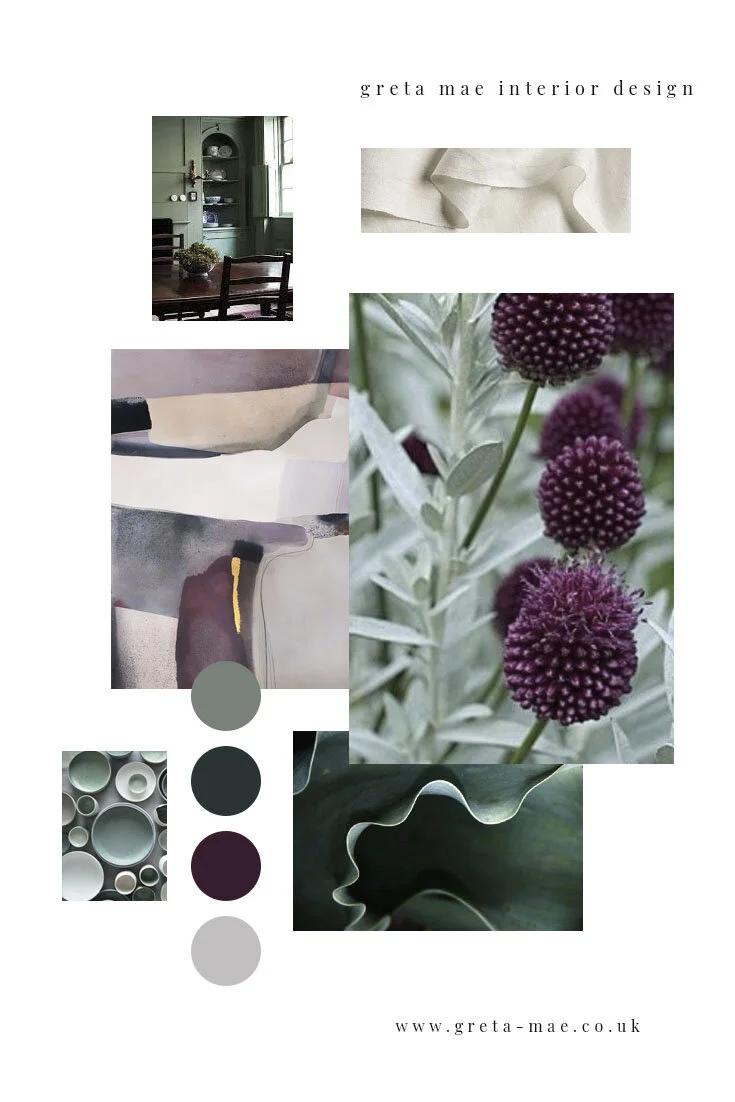
In this meeting its also useful to Pull images of spaces that you like, be that hotel rooms that you have loved staying in, the vibe of your favourite restaurant or anything from pinterest. Its also incredibly useful to have a folder of styles that you hate, this gives us as much information as those that you love so don’t hold back.

Unfortunately we aren’t mind readers so we will need to ask you lots of questions to get to know you and how you live so we can design a space that works for you and your lifestyle.

Words and feelings that you want the space to have are also a really useful guide, some people may want their living rooms to have a sociable feel whereas others may want a cosy, snug and relaxing space, these 2 descriptions would send us down very different design paths so its very useful if you know what it is you are looking for from the room and how you would ultimately like to use the space.

Whats your Budget?

We aren’t being nosey, we need to know this info so we know where to pitch our design. We don’t make any judgements over what your budget is and how much you have got. Sometimes the smallest budgets produce the best results as you have to be more creative and innovative.

Please let us know if you hate a specific colour. There has been more than one occasion where a client has informed us that they love all colours and can’t think of any colours that they dislike only for us to go ahead and spend time designing the space only to be told that they hate that particular shade of green. I can categorically state that everyone has colours that they love and also despise and we need to know so as not to waste your time or my time.

Lastly, you hired an Interior Designer for a reason. Be open minded to styles and ideas that they present you that you may never have thought about, its what can take a design from ‘nice’ to ‘wow’ and leave all your guests in fits of jealousy once they see the space.

Why I don't do trends

I quite often get asked to contribute to articles talking about trends in interior design but I’m not keen on promoting trends in interior design as I desire to create schemes that last.

I used to work in fashion so I understand how trends are created purely as a tool to make people buy more and increase the sales for the companies pushing them and disposable products and our overconsumption can’t continue.

Read More

Is it closing time for open-plan?

I’m extremely grateful to have been asked to contribute to this August edition of Waitrose magazine to discuss whether the open-plan dream is now dead in the wake of coronavirus. If you would like to read the full article click the image below or pick up your copy in a local Waitrose. Below I have expanded on many of the ideas that were discussed in the article so if you would like to know what I think about the future of open plan living then check out the below. I would love to know what you think about open plan living in our new normal.

So many clients of mine over the last couple of years have been so keen to knock walls down and create that open plan living living so we could be together due, i believe, to the fact that we were spending so much time out of the house and were constantly 'busy'. Open plan living enabled us all to be together in one space and that's what I believe was the primary appeal. Also lots more people were entertaining at home and they didn't want to be stuck in the kitchen away from their guests so an open plan space was desirable. It also felt more relaxed and was a nod to how the Scandinavians live and they seem to have such desirable lifestyles. As people were struggling previously to move due to house prices many were looking at how they could transform their traditional Victorian or Georgian properties and make the most of the space that they had. These properties traditionally would have had smaller dark middle rooms that were always neglected and knocking down walls in these types of houses meant you could bring light right into the middle space of the property. Having access to light is so good for our mental health that many people crave this and this is what open plan living gives us. In a small house it also helps give the illusion of more space.

However, I think the appeal of open plan is still there but what the last few months of being house bound has made us realise is that we also need our own personal space. I think we all want to spend time together when we want to but also have space to be by ourselves. I think people still like that open plan style but realise that if you are constantly together 24/7 you also need your own space or somewhere else to go. The communal living aspect and relaxed style of living that open plan living gives us will definitely continue but i think we will try and carve out personal space elsewhere in the house.

 I believe that working from home and flexible working will become the new normal so we will need to find more space for ourselves to have those zoom calls without distractions and when we need to concentrate on work. It's important that we create these specific areas for working that we can walk away from/shut the door on and try not to bring them into the living space as it helps us disconnect from work in the evening so we can enjoy spending time with the family without the passive aggressive reminder of work being on the table.

The question is then, how do we gain some privacy in an open plan space? Crittall style doors are a great way of dividing up an open plan space without losing any of the light and stops the feeling of being boxed in. Another way to divide the space would be to install sliding doors so you can have the option of closing/opening whenever you want. I have also designed for one client moveable bookcases that could be wheeled into place as and when they wanted to break up their large open plan space.  

As always I would suggest creating zones in an open plan space, this helps delineate what each area is for and helps an open plan space feel less cavernous and more homely. This can be done through the use of different floor treatments in different areas, so tiles in the kitchen zone and then wooden flooring throughout the rest of the space. You can further zone areas by placing large rugs underneath furniture, as an example a large rug under a dining table with a pendant over the top would be your dining zone. Similarly, a large rug or layered rugs in the seating area of your open plan space would help zone that area. You can also use different wall finishes to help create zones. In a previous project for a client who had a broken open plan space we painted the TV area/Lounging area in a dark colour so as to differentiate this space from everything else and also to create a cosy area in an otherwise large room.

So, do I need to think more flexibly when it comes to space? People think open plan is the be all and end all but there are many disadvantages to open plan living too. If you don't fancy doing the dishes straight away they are always going to be on show in an open plan space, the smells from cooking can also linger for longer, especially in Winter when you don't have the windows open so much. Also if it's your only living space and you invite friends over to talk and your partner wants to watch football it can be very difficult to marry the two effectively. Its also a harder space to heat as it can be quite a large room.  Some people achieve an open plan feel without knocking walls down by taking the doors off their hangers so there are no doors to shut and the light and energy can still flow throughout the house. It also means you can keep an eye on what the kids are doing/watching without being subject to the same episode of Peppa Pig for the 10th time that day.

This alternative ‘broken plan’ living is where you still have a large open space but there are elements that help break up the space so that it isn't completely open. The flooring could be on slightly different levels, so stepping down into a living area and having rooms just off a central living space. a broken plan essentially has all the benefits of an open plan space in that you gain a lot of light but it also gives you a bit more privacy which is what many of us may be craving now. If you are designing a space from scratch you can look to have different areas of the space on various levels and inserting half height walls or mezzanines, this means you still have all the benefits of open plan living such as lots of light, but it does help break the space up and provide elements of privacy.

Interior Designer North Wales

If you would like help designing a broken plan living space or would like to discuss the options that you have then get in touch below to see how i can help

Contact Me

Homebuilding & Renovating Magazine - Cost effective ways to create your dream kitchen

Interior Designer North Wales

Interior Designer North Wales

We’re very lucky and extremely pleased to have contributed to another edition of Homebuilding & Renovating Magazine this month.

The feature discussed ‘Cost effective ways to create your dream kitchen’ as we were able to create our own kitchen on a relatively small budget and is something that we get asked for help a lot with as not everyone has 30k to drop on a bespoke kitchen.

One of the ways we created our dream kitchen on a budget was to save on the doors and splash out on a more expensive worktop and to keep all the appliances that were integrated and behind doors as own brand products and spend more on those items that would be seen.

We also decided to go for items that we believed wouldn’t date so opted for handless white gloss units with a marble style quartz, something that is durable and practical that could also withstand the wear and tear of a kitchen and not go out of style. The addition of classic metro style tiles and simple globe pendants allowed the more expensive items such as the quartz and rangemaster cooker to shine out.

If you would like help creating your own dream kitchen on a budget then get in touch to see how I can help


Help me!