Unlock Your Design Potential with a 2-Hour interior Consultation from Greta-Mae Interiors

Unlock Your Design Potential with a 2-Hour Consultation from Greta-Mae Interiors

Embarking on a design project, whether for your home or business, can be both thrilling and overwhelming. The decisions you make during the early stages can significantly impact the outcome. This is where a 2-hour interior consultation with Greta-Mae Interiors becomes your invaluable ally. Let's delve into the benefits of this transformative experience.

Elevating Your Design Journey

Kickstart Your Project:

In just two hours, our interior consultation serves as the perfect catalyst to ignite your design aspirations. Whether you're starting from scratch, stuck in a design rut, or seeking affirmation, we're here to guide you through the process.

Confidence Boost:

Gain the confidence to make informed design decisions. Our experts will provide insights, suggestions, and solutions tailored to your unique preferences and project goals.

Preparation for Success:

To maximise our time together, we ask you to complete a detailed questionnaire and share floor plans or photos of your space at least one week prior. This allows us to familiarise ourselves with your project specifics, ensuring a focused and productive consultation.


Tailored Advice Across Various Design Elements

Floor Plan Layout:

Unlock the full potential of your space with strategic floor plan suggestions that optimise functionality and aesthetics.

Store and brand recommendations

Discover curated recommendations for stores and brands that align with your style and budget, streamlining your sourcing process.

Styling Expertise:

From surfaces to sofas, beds, and walls, receive expert guidance on styling elements to create a cohesive and visually appealing space.

Paint and Wall Treatments:

Explore a spectrum of paint colours, wall treatments, and drapery/window options to enhance the atmosphere of your space.

Cabinetry and Built-ins:

Maximise storage and aesthetics with advice on cabinetry and built-in solutions tailored to your needs.

Fixtures, Finishes, and Trims:

Elevate your design with recommendations on fixtures, finishes, and trims that harmonize with your overall vision.

Construction and Remodel Ideas:

If your project involves construction or remodelling, benefit from our insights on efficient and aesthetically pleasing solutions.

Exterior Design:

Extend our expertise beyond walls and interiors, receiving guidance on exterior design elements for a holistic approach.

Versatility for Residential and Commercial Spaces:

Our consultation services cater to both residential and commercial projects, ensuring that your unique needs are met, irrespective of the space's purpose.


In conclusion, a 2-hour consultation with Greta-Mae Interiors is more than just a meeting; it's a transformative experience that propels your design project toward success. From conceptualisation to execution, our expertise is your secret weapon. Schedule your consultation today and witness the magic of personalised design guidance. Your dream space is just two hours away.

book now


2 hour consultation testimonial

Key questions we always get asked……

1. How much does hiring an interior designer cost?

  • Answer: "Each project is unique, and costs vary based on factors like size, scope, and materials. Email me for a personalised quote and let's create something beautiful within your budget!

2. What is your design style?

  • Answer: "My personal sweet spot is mixing old and new, antiques and modern items, juxtaposing old period features with modern furniture. I love the contrast of old and new in one space and rely on lots of texture to add interest and depth to a space. I use understated, muted colours and patterns and prints are always used sparingly. You won’t find any brightly coloured in your face bold colours in any of my schemes and maximalist i am most definitely not.

3. How involved will I be in the design process?

  • Answer: "Your input is crucial! We'll work closely to ensure the final design reflects your personality and preferences. Your home, your style!

4. How long does a typical project take?

  • Answer: "Timelines vary based on project size and complexity. Let's discuss your project goals, and I'll provide a realistic timeline to make your dream space a reality!

5. Do you work with a specific budget range?

  • Answer: "Absolutely! I'm skilled in maximising the impact within any budget. Share your budget, and let's create a stunning space that aligns with your financial goals.

6. Can I see examples of your previous work?

  • Answer: "Certainly! Click the ‘projects’ tab in the navigation bar for a glimpse of my diverse projects. Each space is a unique story, and yours could be next!

7. How do we get started on a project together?

  • Answer: "Excited to work with you! Email me to schedule a consultation. We'll discuss your ideas, goals, and how we can turn your space into a masterpiece!

8. What sets you apart from other interior designers?

  • Answer: "My passion for creating personalised, functional, and beautiful spaces sets me apart. Let's turn your home into a unique reflection of you!

09. What is your design philosophy?

  • Answer: "I believe in creating spaces that not only look amazing but also enhance your lifestyle. Let's design a home that tells your story!


If you are ready to discuss your project in more detail contact me below

Contact Me


Timeless Fusion: Bringing Modern Flair to Your Vintage Kitchen

When it comes to home design, the allure of an old house is undeniable. The charm of classic architecture, the character in every nook, and the stories embedded in the walls create a unique atmosphere. However, this doesn't mean you have to sacrifice modernity, especially when it comes to one of the most vital spaces in your home—the kitchen.

Embracing the Best of Both Worlds

1. Preserving Character, Embracing Innovation

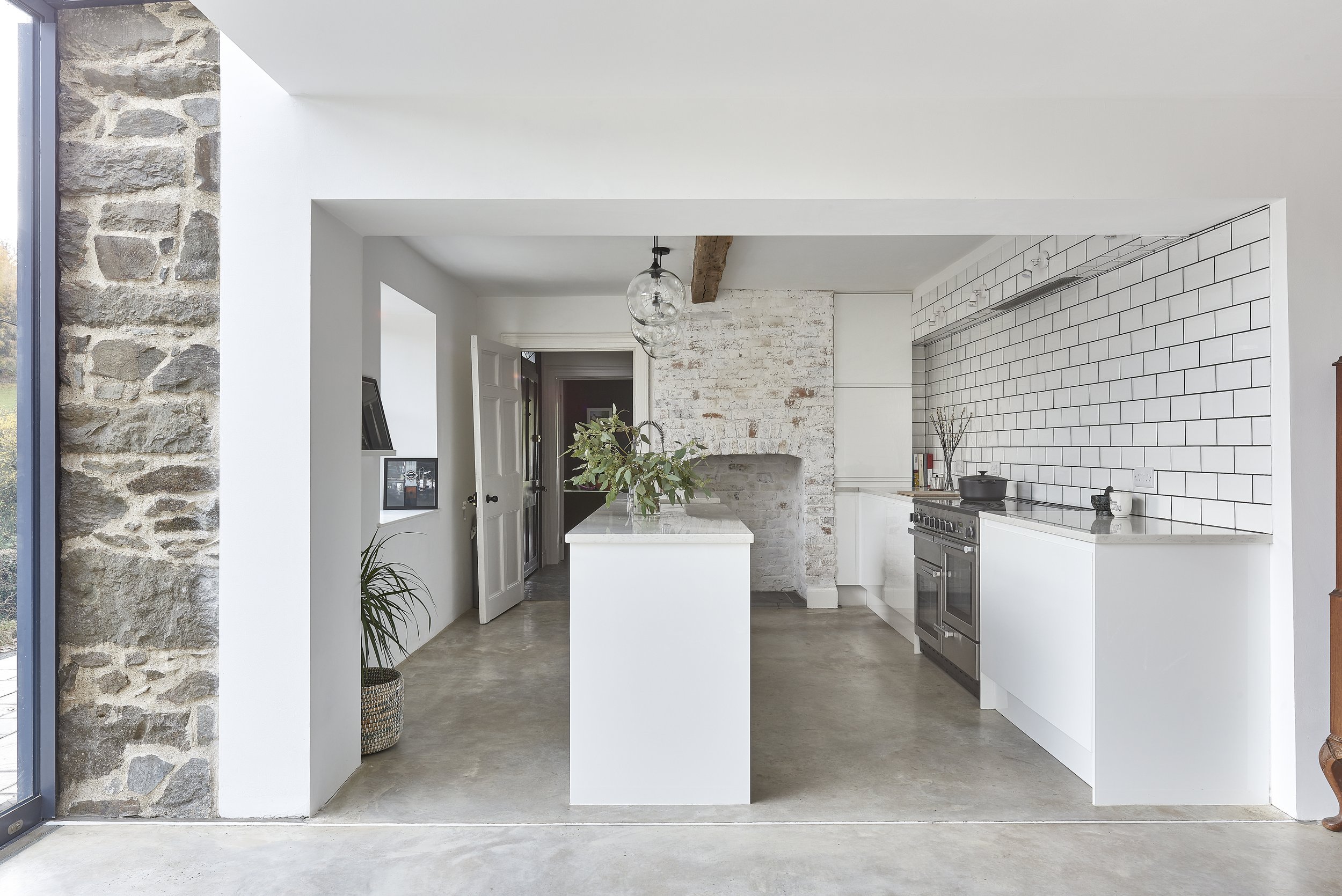
Old houses exude character and history, but this doesn't mean your kitchen has to be stuck in the past. Integrating modern elements enhances functionality without compromising the historic charm. Think stainless steel appliances against exposed brick or sleek countertops juxtaposed with vintage cabinetry.

2. Maximizing Efficiency

Modern kitchens are renowned for their efficiency. By incorporating contemporary design elements such as smart appliances, energy-efficient lighting, and space-saving storage solutions, you can optimise your kitchen's functionality without sacrificing the timeless aesthetic of your older home.

3. Seamless Blending of Styles

Achieving a modern kitchen in an old house is about creating a seamless blend of styles. Consider open shelving, neutral color palettes, and minimalist hardware to complement the existing architectural details. The key is balance—melding the old and the new into a harmonious design.

Practical Considerations

4. Upgrading Infrastructure

Modernising an old kitchen often involves updating infrastructure. Consider investing in new plumbing, electrical work, and ventilation systems to ensure your kitchen not only looks modern but functions efficiently and safely.

5. Integrating Smart Technology

Technology can be discreetly woven into the fabric of your vintage kitchen. Smart thermostats, lighting, and appliances can seamlessly blend with traditional elements, providing convenience without compromising the nostalgic ambiance.

6. Customisation for Your Lifestyle

Modern kitchens allow for customisation to suit your lifestyle. Whether it's a built-in coffee station, a smart home hub, or a multi-functional island, modern design can be tailored to enhance your daily routines while respecting the unique features of your older home.

Overcoming Challenges

7. Respecting Heritage, Embracing Change

It's possible to modernize without erasing the history. Respect the heritage of your home by preserving original features. Consider integrating modern elements in areas that can be easily changed, such as lighting fixtures, cabinetry, and appliances.

8. Harmonizing Materials

Choosing materials that resonate with both eras is key. Harmonize the materials by selecting modern finishes that complement the existing architectural elements. For instance, matte black fixtures can beautifully contrast with the warmth of aged wood.

9. Professional Guidance

Consulting with a professional designer experienced in blending styles can be invaluable. Their expertise can help you navigate the delicate balance between modern functionality and historical charm, ensuring a cohesive and visually appealing design.

The Final Flourish

10. Creating Timeless Memories

In the end, the goal is to create a kitchen that not only meets contemporary needs but also becomes a timeless space for making memories. By merging the old with the new, you create a kitchen that tells a story—one that spans generations and captures the essence of both past and present.

In conclusion, having a modern kitchen in an old house is not only possible but also a delightful endeavor. It's a chance to celebrate the unique character of your vintage home while embracing the convenience and style of modern design. So, why not embark on the journey of creating a kitchen that seamlessly fuses the best of both worlds? Your home deserves a kitchen that stands the test of time in every sense.


Why its never too early to hire an interior designer

Embarking on the journey of transforming your living space is an exciting venture. While some may consider interior designers a luxury reserved for major renovations or large budgets, the truth is that it's never too early to bring a design professional on board. In this post, we'll explore the compelling reasons why hiring an interior designer sooner rather than later is a decision that pays off in countless ways.

1. Avoid Costly Mistakes

One of the key advantages of hiring an interior designer early in the process is the ability to avoid costly mistakes. Designers can help you make informed decisions about layout, colour schemes, and furniture choices, preventing you from investing in items that may not fit the overall vision.

2. Long-Term Planning

Interior designers excel at long-term planning. By involving a designer early on, you can create a comprehensive design strategy that aligns with your lifestyle and future needs. This proactive approach ensures that your space evolves seamlessly with your life, preventing the need for major overhauls down the line.

3. Maximise the Potential of Your Space

Interior designers have a unique ability to see the potential in a space, even if it's currently underutilised or lacks a clear vision. By involving a designer from the start, you can maximise the functionality and aesthetic appeal of every square foot, creating a home that truly reflects your personality.

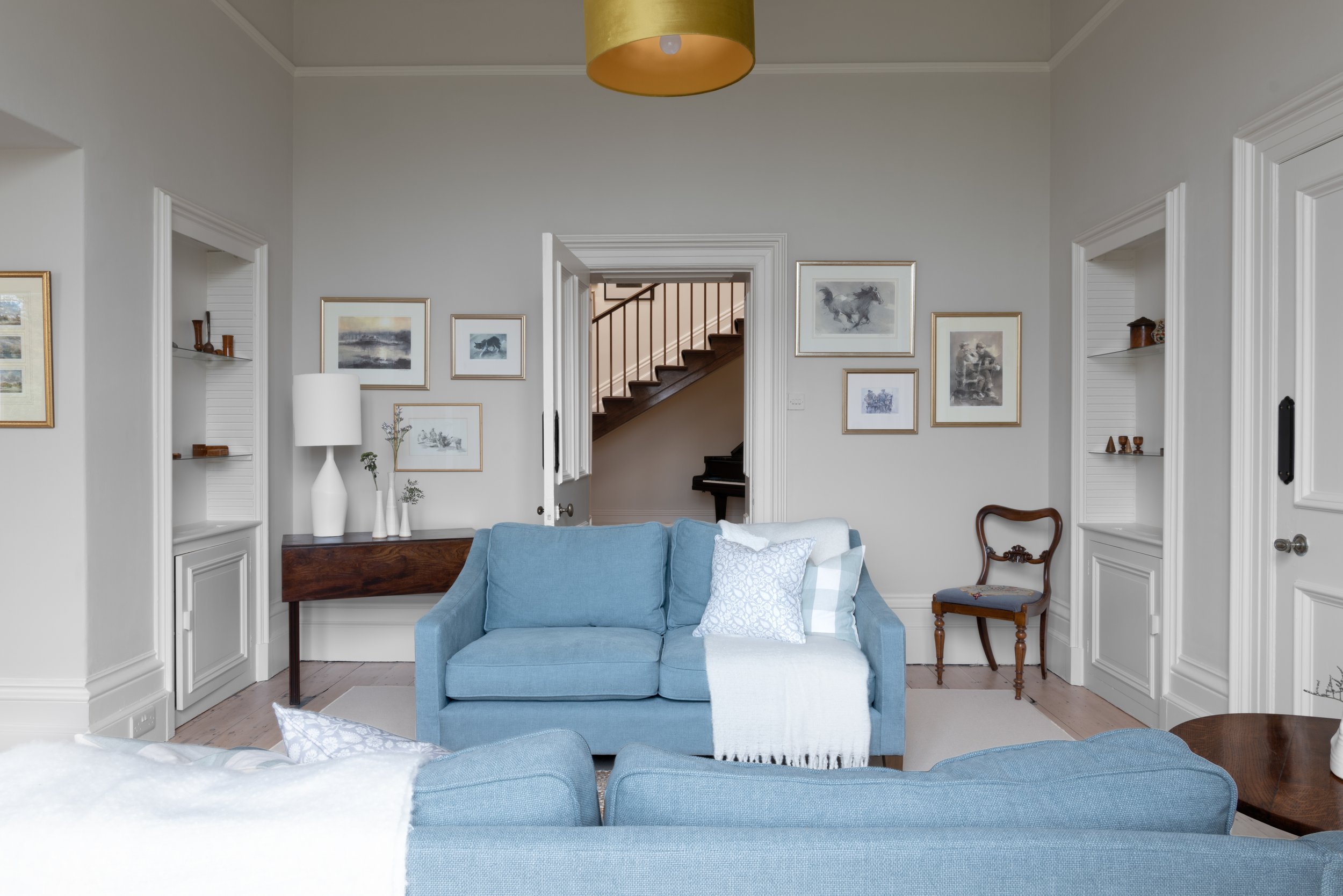
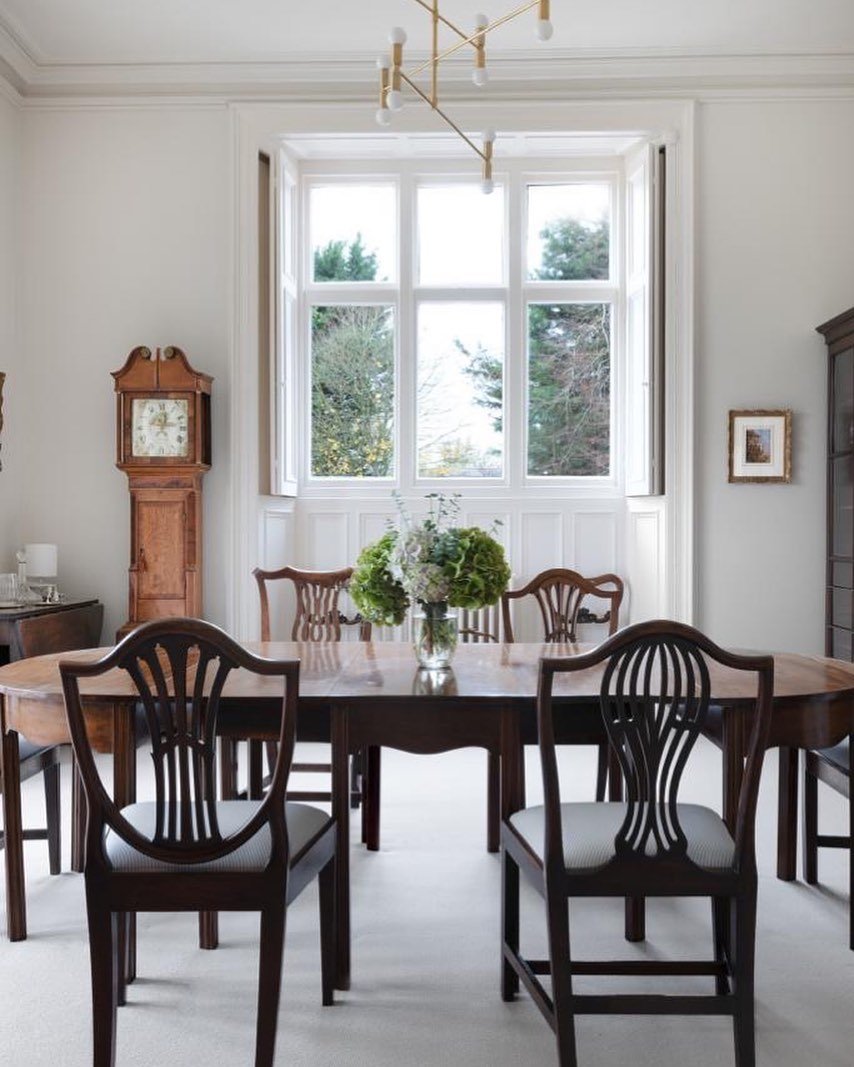
Modern and period details working harmoniously togther

4. Create a Cohesive Design Story

Your home should tell a story, and an interior designer is the storyteller. By engaging a designer early in the process, you can develop a cohesive design narrative that flows seamlessly from room to room. This ensures that your home feels harmonious and interconnected, rather than a collection of disparate elements.

5. Budget-Friendly Planning

Contrary to the misconception that hiring a designer is only for those with hefty budgets, involving a designer early on can actually be budget-friendly. Designers can help you prioritise your spending, allocate resources efficiently, and find cost-effective solutions that align with your vision.

6. Time-Saving Solutions

Time is a valuable resource, and an interior designer can save you plenty of it. By streamlining the decision-making process, coordinating with contractors, and handling logistics, a designer ensures that your project progresses efficiently, freeing you up to focus on other aspects of your life.

7. Personalized Lifestyle Integration

An interior designer is not just concerned with aesthetics; they prioritize your lifestyle. By involving a designer early in the design process, you can integrate your personal preferences, habits, and daily routines seamlessly into the design, ensuring that your space feels tailor-made for you.

8. Access to Exclusive Resources

Interior designers have access to a wealth of resources, including exclusive materials, furnishings, and decor items. By bringing a designer on board early, you gain access to a curated selection of items that may not be readily available to the public, adding a touch of exclusivity to your space.

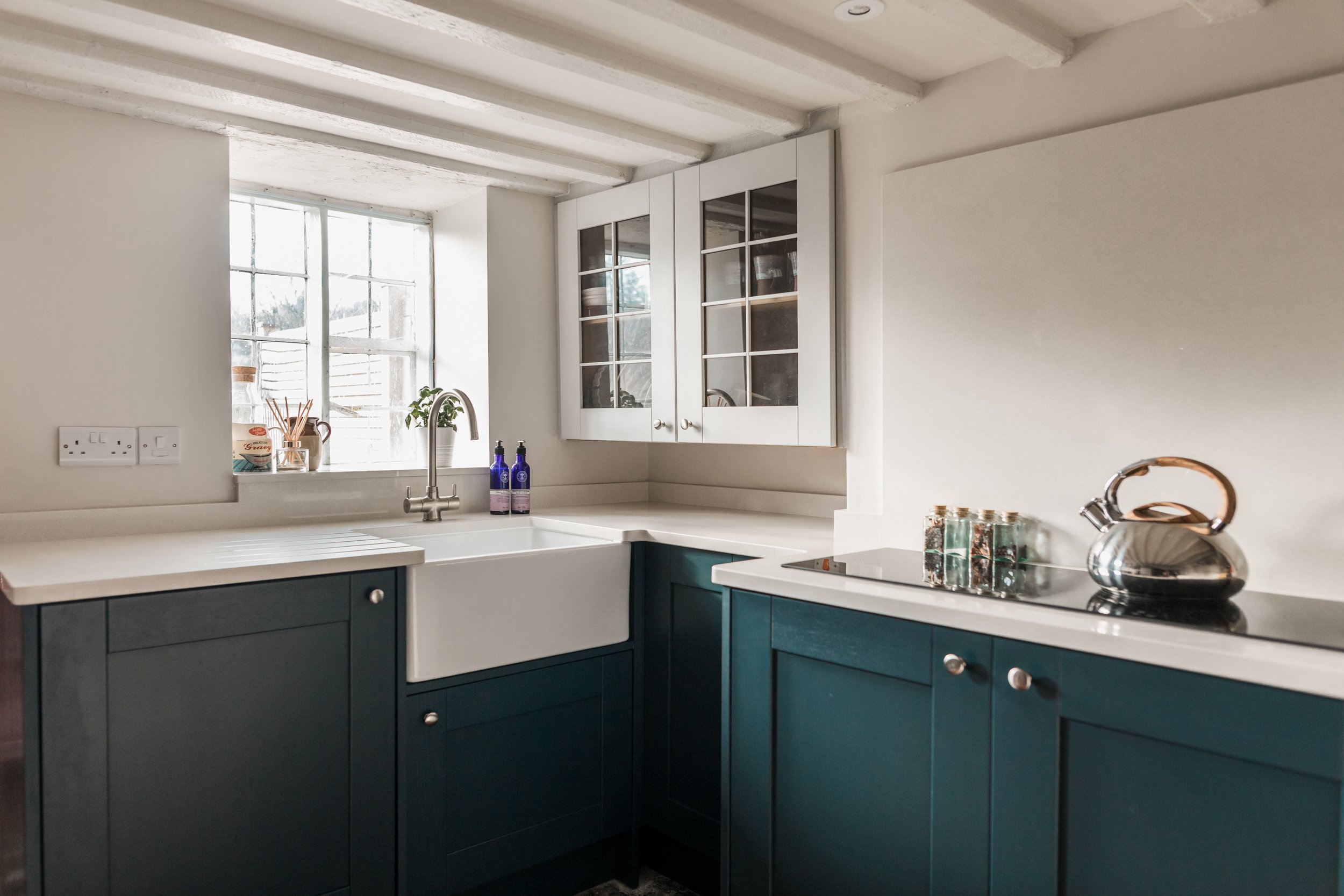
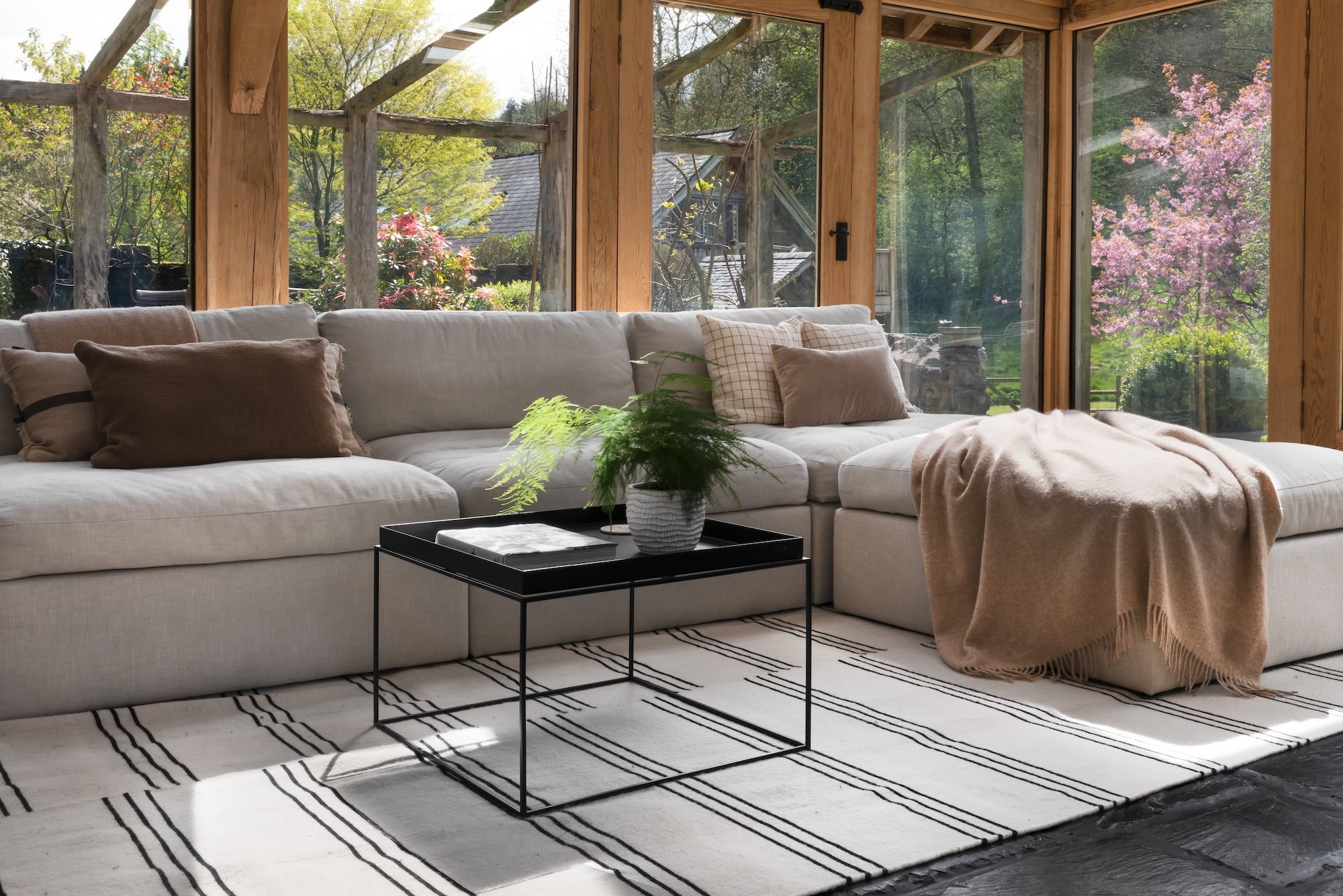
Modern & period working cohesively in one space

9. Mood and Atmosphere Crafting

Design is not just about furniture and colour schemes; it's about crafting a mood and atmosphere. Early collaboration with an interior designer allows for intentional choices that go beyond aesthetics, creating a space that not only looks beautiful but feels just right.

10. Embrace the Design Journey

Lastly, involving an interior designer early allows you to fully embrace the design journey. From the initial conceptualisation to the final touches, collaborating with a designer ensures that every step of the process is enjoyable, educational, and ultimately rewarding.

In conclusion, it's never too early to hire an interior designer. Whether you're starting from scratch or contemplating a future renovation, bringing a designer on board from the beginning sets the stage for a transformative and seamless design experience. So, why wait? Start your design journey early and watch your vision come to life with the expertise and guidance of a professional interior designer.

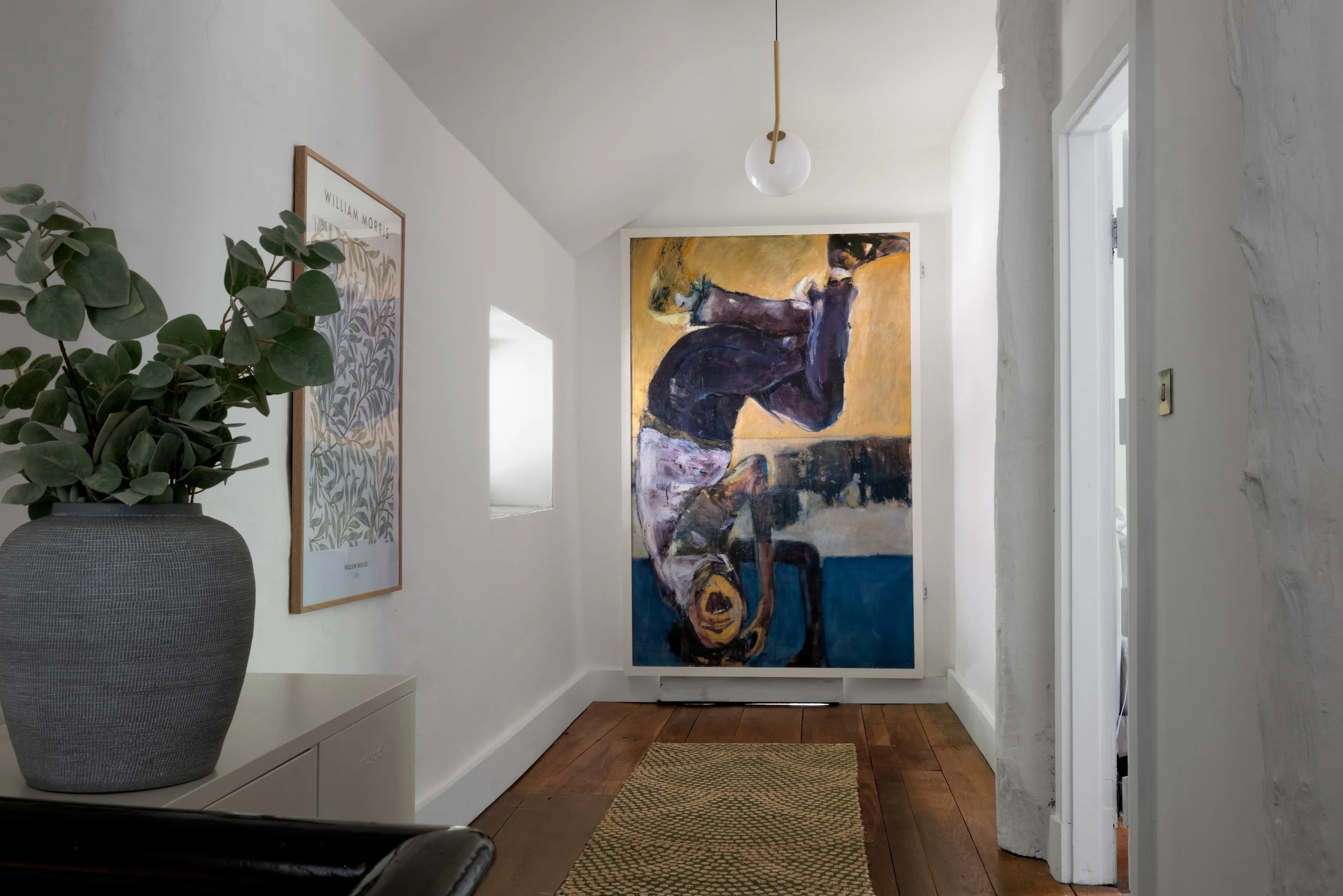
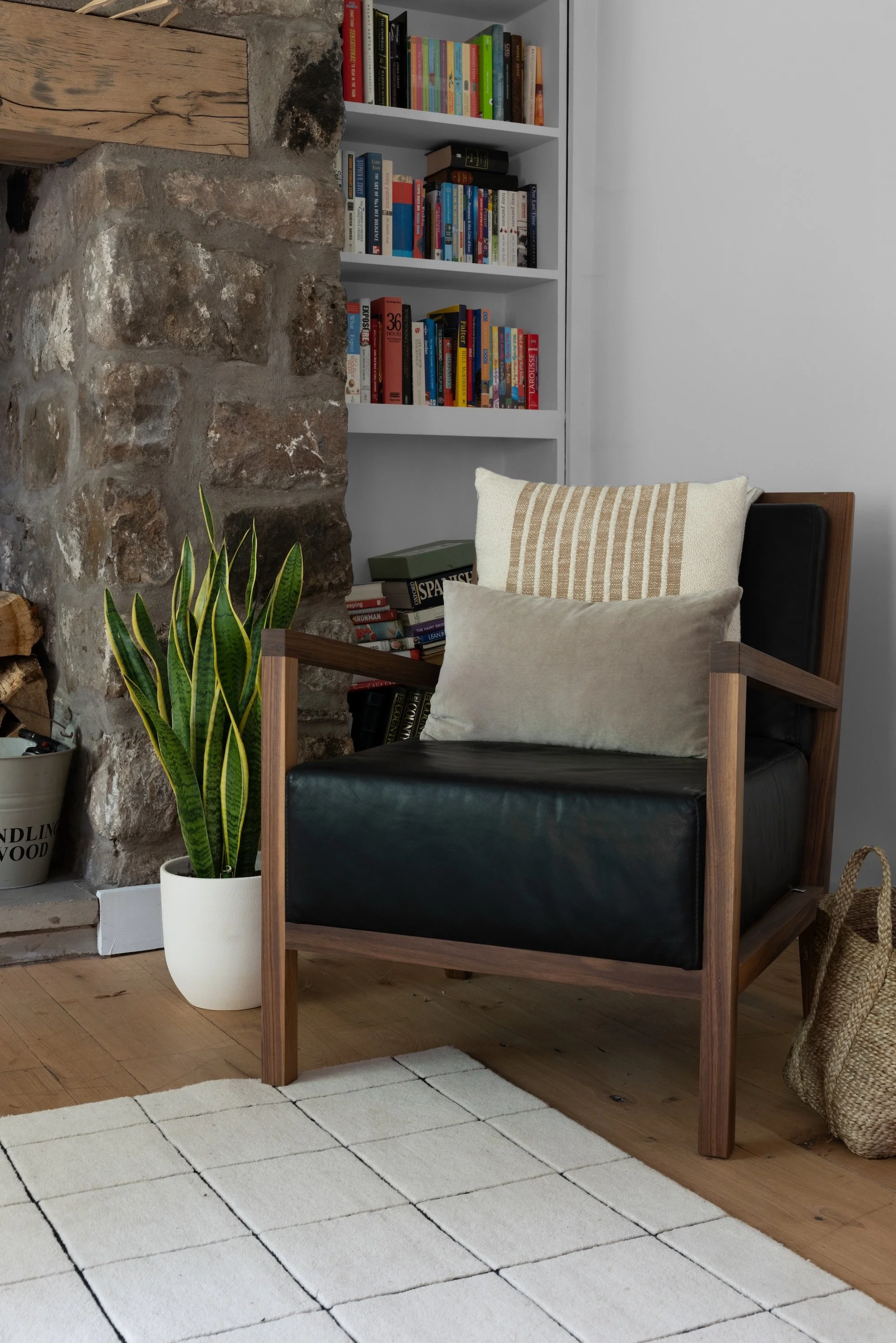
Modern furniture in a period cottage

Understanding the Distinction: Interior Designer vs. Decorator

In the world of interior design, the terms "interior designer" and "decorator" are often used interchangeably. However, they represent distinct roles with unique skill sets and responsibilities. In this post, we'll clarify the difference between an interior designer and a decorator, shedding light on what sets them apart.

Is an Interior Designer the Same as a Decorator?

No, an interior designer is not the same as a decorator, although their roles may overlap to some extent. Let's break down the key differences between the two:

Education and Training:

- **Interior Designer:** Interior designers typically undergo formal education and training. They often hold a bachelor's degree in interior design, which covers a wide range of topics, including architectural principles, building codes, space planning, and design theory. Many states and countries require interior designers to be licensed or registered.

- **Decorator:** Decorators may or may not have formal education or training in design. While some decorators have completed design courses or certifications, it's not a universal requirement. Decorators often focus on aesthetics and styling.

Scope of Work:

- **Interior Designer:** Interior designers have a broader scope of work. They are qualified to create comprehensive design plans that may involve architectural changes, space layout, and structural modifications. They can work on both residential and commercial projects, ensuring that the design not only looks good but also functions optimally. Interior designers are trained to consider safety, building codes, and accessibility.

- **Decorator:** Decorators primarily focus on the aesthetics of a space. They excel in selecting colors, furniture, accessories, and decor items to create visually pleasing interiors. While decorators enhance the look of a room, they typically don't engage in structural or architectural changes.

Problem-Solving and Functional Design:

- **Interior Designer:** Interior designers excel in problem-solving and functional design. They consider the layout, flow, and functionality of a space, addressing the needs and preferences of the client. Their designs are not only aesthetically pleasing but also highly practical and functional.

- **Decorator:** Decorators are primarily concerned with the visual aspects of design. They work with existing spaces and furniture to create cohesive and beautiful interiors. While they may offer some advice on layout, their primary focus is on decoration and styling.

When to Hire an Interior Designer vs. a Decorator:

- Consider hiring an interior designer when you need to make structural changes, reconfigure spaces, or require assistance with complex design projects. They are equipped to handle both the creative and technical aspects of design.

- Opt for a decorator when you're satisfied with the structural aspects of your space and are looking to enhance its visual appeal with colour schemes, furniture, and decor choices.

In conclusion, while interior designers and decorators share a passion for enhancing interiors, their roles, education, and scope of work differ significantly. Understanding these distinctions is crucial when embarking on an interior design project to ensure you hire the right professional for your specific needs. Whether you choose an interior designer or a decorator depends on the complexity of your project and your design goals.