The Ultimate Guide to Renovating Historic Homes

Renovating a historic home is like stepping into a time machine – but with a hammer and a paintbrush! It’s an exciting journey filled with unique challenges and rewards. Trust me, I know, I have been there. Whether you’ve just bought a charming Victorian or an elegant Georgian townhouse, this guide will help you navigate the process of restoring your old beauty while making it fit for modern living.

Embrace the Charm and Character

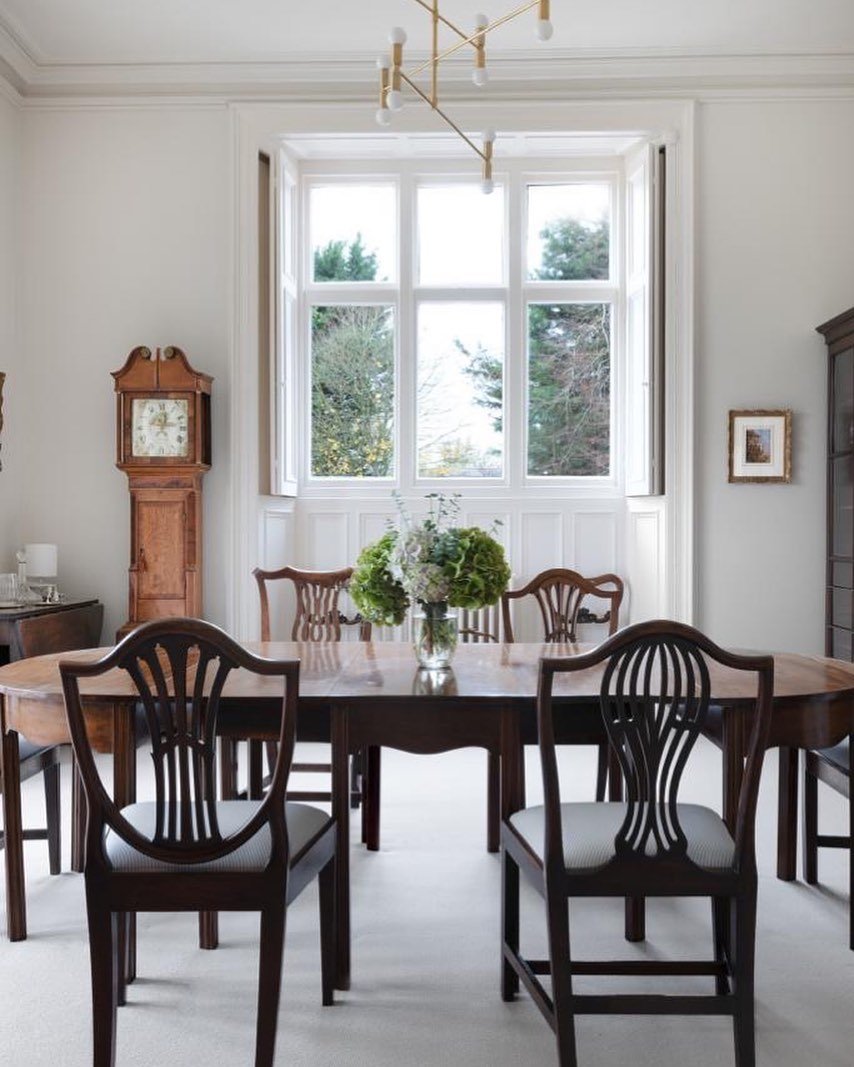
One of the biggest perks of owning a historic home is its character. From intricate moldings to original hardwood floors, these features tell a story. Preserving these elements is key to maintaining the home’s charm.

Interior Designer Cheshire

The Ultimate Guide to Renovating Historic Homes

Inspect and Protect

First things first, get a thorough inspection. Older homes can hide a lot of surprises (and not always the good kind). Check for issues like foundation cracks, outdated wiring, and plumbing problems. Once you know what you’re dealing with, prioritize preserving key features:

  • Woodwork and Moldings: Clean and restore original woodwork. If it’s too damaged, try to match the style as closely as possible.

  • Floors: Sand and refinish original hardwood floors. If they’re beyond repair, consider sourcing reclaimed wood for an authentic look.

  • Windows: Restore old windows rather than replacing them. They add to the aesthetic and can be made energy-efficient with proper insulation.

Balancing Old and New

Bringing a historic home into the 21st century doesn’t mean stripping away its soul. It’s all about balance – keeping the old-world charm while adding modern conveniences.

Kitchen and Bathrooms

These are often the most updated areas. Here’s how to blend old and new seamlessly:

  • Kitchen: Keep original cabinetry if possible, updating it with new hardware. Choose appliances that blend in rather than stand out. A farmhouse sink or vintage-inspired fixtures can add a classic touch.

  • Bathrooms: Retain clawfoot tubs or vintage tiles. Modernize with a sleek vanity or updated plumbing fixtures.

Interior Designer Cheshire

The Ultimate Guide to Renovating Historic Homes

Open Floor Plans

Many historic homes have lots of small rooms. Opening up the space can make it more liveable without losing its historic feel.

  • Structural Changes: Consult a structural engineer before knocking down walls. Use beams or columns that match the home’s original style to support open spaces.

  • Cohesive Design: Ensure any new additions complement the existing architecture. Use similar materials and design elements throughout the home.


Navigating Regulations and Permissions

Renovating a historic home often means dealing with regulations and permissions. Here’s how to handle it:

Historic Preservation Guidelines

  • Local Regulations: Check with your local historic preservation office for guidelines. Some changes may need approval.

  • Permits: Ensure you have all necessary permits before starting work. This can save time and legal hassle down the road.

Working with Professionals

  • Specialised Contractors: Hire contractors experienced in historic renovations or a builder who enjoys working with older properties and will be more sympathetic to the build. They’ll understand the nuances and requirements of working with older homes.

  • Architects: Consider hiring an architect with a background in historic preservation to help design updates that honour your home’s history or an architect that enjoys modernising older homes.

The Joy of Transformation

Renovating a historic home is a labour of love. It’s about more than just updating a house; it’s about preserving a piece of history and making it your own. The result is a unique blend of past and present – a home with a story that you continue to write.

Before and After

Document your journey with before-and-after photos. Not only is it satisfying to see the transformation, but it also helps others who might be considering a similar project.

Interior Designer Cheshire

The Ultimate Guide to Renovating Historic Homes

Celebrate the Details

Don’t rush the process. Take time to appreciate the details and craftsmanship that make your home special. Share your progress and tips on social media to inspire others.

In the end, renovating a historic home is all about respect – for the past, for the craftsmanship, and for the unique beauty of the space. Happy renovating!

What is Full Turnkey Design and Why It’s the Ultimate Solution for Your Interior Design Needs

Full turnkey design refers to a comprehensive interior design service where the design team manages every aspect of your project from start to finish. This service encompasses everything from the initial concept development and space planning to the procurement of materials and furnishings, coordination of contractors, construction oversight, and final installation. Essentially, with full turnkey design, clients can expect a hassle-free experience where all details are taken care of by design professionals, resulting in a fully furnished and decorated space that is ready for immediate use.

The Full Turnkey Design Process

Initial Concept Development

The journey begins with an in-depth consultation where the design team learns about your vision, preferences, and functional needs. This phase involves creating mood boards, sketches, and 3D renderings to help you visualise the final outcome. The goal is to ensure that the design aligns perfectly with your taste and lifestyle.

Interior Designer Didsbury

Luxury Interior Design

Space Planning

Effective space planning is crucial for maximising the functionality and aesthetics of your interiors. The design team assesses your space to determine the best layout, ensuring that furniture and decor are placed optimally to enhance flow and usability. This step is essential for creating a harmonious and practical environment.

Procurement of Materials and Furnishings

Once the design concept and space plan are approved, the next step involves sourcing high-quality materials and furnishings. The design team selects everything from flooring and wall finishes to furniture, lighting, and accessories. This meticulous process ensures that every item fits within the overall design scheme and meets the highest standards of quality and durability.

Coordination of Contractors

A successful interior design project requires the expertise of various contractors, including builders, electricians, plumbers, and painters. The design team coordinates all these professionals, ensuring that everyone works in harmony to bring the design to life. This seamless coordination minimises delays and ensures that the project stays on track.

Interior Designer Didsbury

Luxury Interior Design

Construction Oversight

Throughout the construction phase, the design team provides continuous oversight to ensure that every detail is executed according to plan. This involves regular site visits, quality checks, and addressing any issues that arise. With expert project management, you can be confident that the construction process will be smooth and efficient.

Final Installation

The final stage of the turnkey design process is the installation of furniture, decor, and finishing touches. The design team arranges everything to create a cohesive and inviting space, ensuring that all elements complement each other perfectly. This includes styling the space with accessories, artwork, and soft furnishings to add personality and warmth.

Benefits of Full Turnkey Design

Hassle-Free Experience

One of the most significant advantages of full turnkey design is the stress-free experience it offers. With a single point of contact managing the entire project, you can relax knowing that every detail is being handled by professionals. This eliminates the need for you to coordinate multiple contractors and manage the project yourself.

Time Efficiency

Full turnkey design services are incredibly time-efficient. The design team’s streamlined process reduces delays and accelerates the overall timeline, allowing you to enjoy your newly designed space sooner. This efficiency is particularly beneficial for clients with busy schedules who want to avoid the hassle of prolonged projects.

Interior Designer Didsbury

Luxury Interior Design

Consistent Quality

When you opt for full turnkey design, you benefit from consistent quality throughout the project. The design team’s oversight ensures that high standards are maintained in every aspect, from materials and craftsmanship to final installation. This attention to detail guarantees a cohesive and polished final result that reflects your vision.

Budget Management

Managing a budget can be one of the most challenging aspects of an interior design project. Turnkey design services include comprehensive budget management, ensuring that all expenses are tracked and controlled. The design team works within your budget to deliver the best possible results, avoiding costly mistakes and unexpected expenses.

Personalised Design Solutions

Full turnkey design offers customised solutions tailored to your specific needs and preferences. The design team works closely with you to understand your vision, lifestyle, and functional requirements. This personalised approach ensures that the final design is a true reflection of your style and enhances the way you live and work in the space.

Expert Project co-ordination

With full turnkey design, you benefit from expert project coordination. The design team helps coordinates all contractors along with the architect, suppliers, and vendors, ensuring that every aspect of the project is executed seamlessly. This professional oversight guarantees that the project runs smoothly and any issues are promptly addressed, resulting in a hassle-free experience for you.

Interior Designer Didsbury

Luxury Interior Design

Conclusion

Full turnkey design is the ultimate solution for anyone looking to transform their space with minimal stress and maximum efficiency. From initial concept to final installation, the design team handles every detail, ensuring a high-quality, cohesive, and personalised result. If you’re ready to create a beautifully designed space without the headaches of managing a project yourself, consider full turnkey design services for your next interior design project.

Ready to transform your space from concept to completion? Contact us today to learn more about our full turnkey design services and how we can bring your vision to life.

contact me

Unlocking the Power of the Rule of Three in Interior Decorating

When it comes to crafting visually pleasing interiors, the Rule of Three stands as an unwavering beacon of guidance for all decorators and designers alike. This principle, rooted in the psychology of visual perception, holds immense power in creating balanced, engaging spaces. In this post, we'll unravel the mysteries behind the Rule of Three, understand its significance, and learn how to wield it effectively in your own home,

What is the Rule of Three in Interior Decorating?

At its core, the Rule of Three involves arranging elements in a space in groups of three. This could refer to any trio of items, be it decor pieces, colours, or even furniture placements. The magic of the Rule of Three lies in its ability to achieve visual harmony through asymmetry. By breaking a space down into thirds both horizontally and vertically, designers can create a balanced composition that is both dynamic and engaging.

Consider a living room. Instead of placing two identical items on a side table, introducing a third, distinct element can create a more visually interesting tableau. For instance, a lamp, a stack of books, and a decorative item provide depth and texture, evoking a sense of completeness that dual elements might lack.

Interior Designer Manchester

Interior Designer Manchester

Why Decorate in Odd Numbers?

The human brain naturally seeks patterns and balance. Odd numbers, especially trios, provide a sense of visual intrigue and complexity. When we encounter a group of items arranged in threes, our minds find them more memorable and appealing compared to even-numbered groupings.

Odd numbers also introduce a sense of hierarchy and focal points. In a room with an odd number of focal points, the eye naturally gravitates towards the center, creating a dynamic visual flow. This principle is instrumental in guiding the viewer's gaze and creating a harmonious, well-composed space.

In addition, odd numbers prevent the design from appearing overly symmetrical, which can sometimes feel static or predictable. They inject a touch of whimsy and playfulness, allowing for a more organic, lived-in feel.

In Practice: Applying the Rule of Three

Now that we understand the theory, let's put it into practice. Consider a dining table. Instead of placing two candlesticks at its center, try adding a third element, like a vase of fresh flowers. This not only adds depth but also elevates the visual impact of the table setting.

Interior Designer Manchester

Interior Designer Manchester

Remember, the Rule of Three is not a rigid formula but rather a guiding principle. Feel free to experiment, adapting it to suit your personal style and the unique characteristics of your space.

Conclusion

The Rule of Three serves as a powerful tool in the decorator's tool box offering a straightforward yet profound way to create balanced, visually engaging interiors. By embracing odd numbers and employing this principle with good judgement, you can transform your spaces into a harmonious and captivating environment.

Creating a Unique and Stylish Home: Mixing High-End and Vintage Pieces

As an interior designer, one of the most rewarding experiences is helping clients create a space that truly reflects their personality and style. One trend that has gained significant popularity is the mix of high-end and vintage pieces to craft a unique and personalised home. In this blog post, I'll share my top tips for curating pieces you love from different eras and show you how to create a cohesive and stylish interior.

Step-by-Step Guide to Mixing High-End and Vintage Pieces

Curate Items You Love

The first step in blending high-end and vintage pieces is to select items that resonate with you. Don't worry about matching eras; instead, focus on how each piece makes you feel. By choosing pieces that speak to you, you'll create a space that is uniquely yours.

Luxury interior design Didsbury

Mixing High-End and Vintage Pieces

Invest in Timeless High-End Pieces

When selecting high-end items, opt for timeless design classics that will stand the test of time. Designers like Hans Wegner, Norman Copenhagen, and Charles and Ray Eames offer pieces that are not only aesthetically pleasing but also hold their value over time. These investments can become heirlooms, passed down through generations.

Incorporate Vintage Pieces with Character

Vintage pieces bring a sense of history and warmth to a space that new items often cannot replicate. Look for furniture, lighting fixtures, and accessories with stories behind them. These pieces add character and complement high-end items beautifully, creating a layered and rich interior.

Balance Your Space

Achieving a cohesive look involves striking the right balance between high-end and vintage pieces. A neutral color palette can serve as a versatile base, allowing you to layer in your curated items seamlessly. This approach ensures each piece shines while maintaining a harmonious and balanced space.

Luxury interior design Didsbury

Mixing High-End and Vintage Pieces

Mix Different Textures and Materials

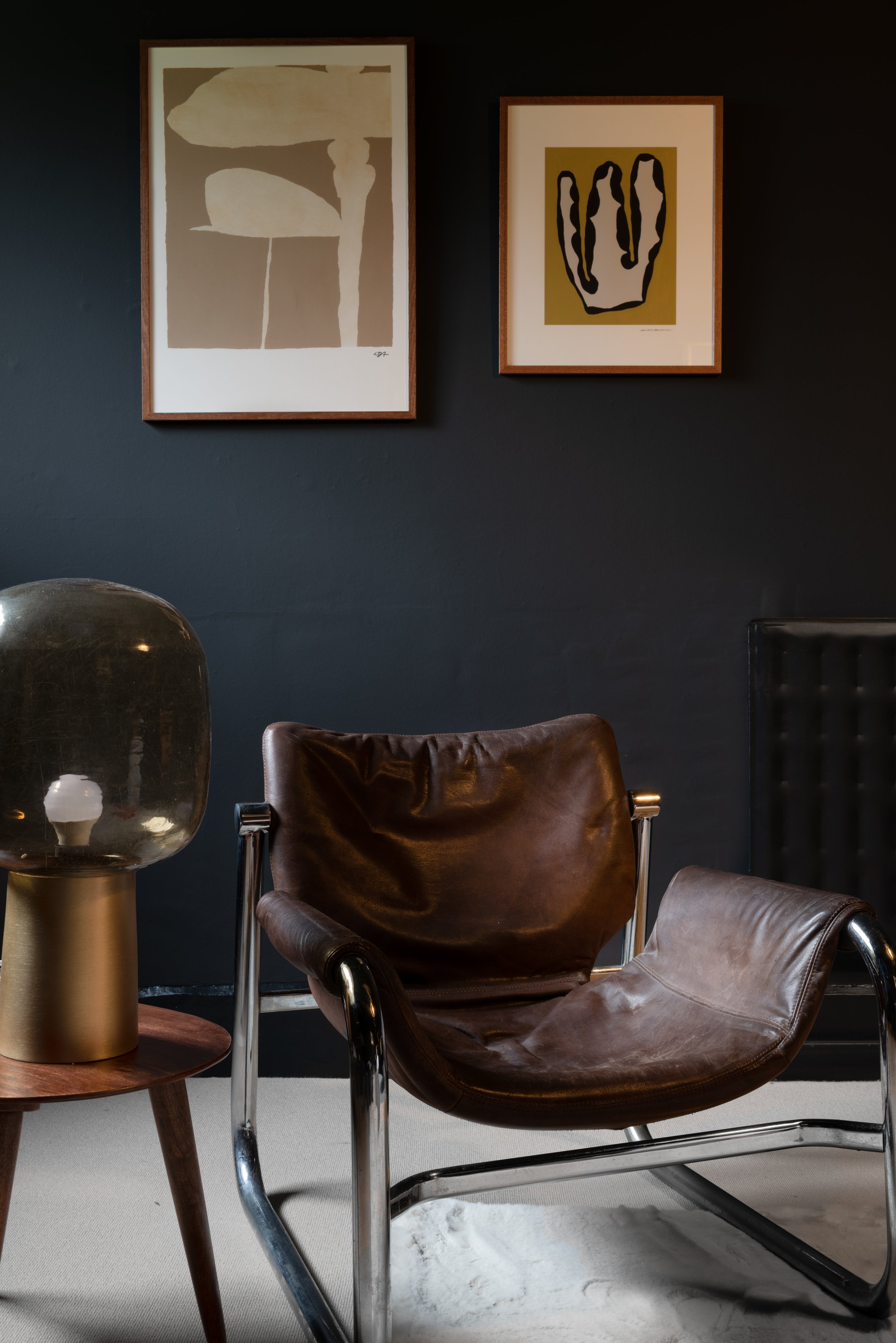
Don't be afraid to combine different textures and materials in your design. High-end pieces often feature luxurious materials like leather, marble, or brass, while vintage items might incorporate wood, wicker, or rattan. Mixing these materials adds depth and visual interest to your space.

Conclusion

Mixing high-end and vintage pieces is a fantastic way to create a home that is both unique and reflective of your personal style. By curating items that you love, investing in timeless design classics, and incorporating vintage pieces with character, you can achieve a stylish and meaningful interior. As an interior designer, I find immense joy in helping clients blend these elements, and I hope these tips inspire you to create your own beautiful and unique home.

Ready to transform your living space? Contact us today to schedule a consultation and start your journey toward a personalised and stylish home.

contact me
Luxury interior design Didsbury

Mixing High-End and Vintage Pieces

Embracing Mid-Century Modern Interior Design: Timeless Elegance Meets Functional Style

Mid-century modern interior design is a timeless aesthetic that continues to captivate homeowners and designers alike. This iconic style, which originated in the mid-20th century, is characterised by its clean lines, organic forms, and functional beauty. In this blog post, we will delve into the key elements of mid-century modern design, explore its enduring appeal, and offer tips on how to incorporate this style into your own home.

Interior Designer Manchester

Embracing Mid-Century Modern Interior Design: Timeless Elegance Meets Functional Style

Key Elements of Mid-Century Modern Interior Design

  1. Clean Lines and Minimalist Forms

    • The hallmark of mid-century modern design is its emphasis on simplicity and minimalism. Furniture pieces often feature clean, straight lines and geometric shapes, creating a sleek and uncluttered look.

  2. Organic and Natural Materials

    • This design style celebrates the use of natural materials such as wood, leather, and metal. Teak, walnut, and oak are popular wood choices, adding warmth and texture to interiors.

  3. Functionality

    • Mid-century modern design prioritises function without sacrificing style. Furniture pieces are designed to be practical and comfortable, making them perfect for everyday use.

  4. Bold and Vibrant Colors

    • While the base palette is often neutral, mid-century modern interiors frequently incorporate bold accent colours. Think rich hues like mustard yellow, deep orange, and teal, which add vibrancy to the space.

  5. Integration with Nature

    • Large windows and open floor plans are common in mid-century modern homes, fostering a strong connection with the outdoors. This design philosophy emphasises bringing nature inside, blurring the line between interior and exterior spaces.

Interior Designer Manchester

Embracing Mid-Century Modern Interior Design: Timeless Elegance Meets Functional Style

The Enduring Appeal of Mid-Century Modern Design

Mid-century modern design remains popular for several reasons. Its timeless appeal lies in its ability to blend form and function seamlessly. The style's simplicity and minimalism make it versatile, allowing it to fit well with various other design aesthetics, from contemporary to Scandinavian.

Moreover, mid-century modern furniture pieces are often seen as investment pieces due to their enduring quality and classic appeal. Iconic designs from this era, such as the Eames Lounge Chair and the Noguchi Coffee Table, continue to be highly sought after by collectors and design enthusiasts.

Tips for Incorporating Mid-Century Modern Design into Your Home

  1. Start with Statement Furniture

    • Invest in a few key pieces of mid-century modern furniture, such as a sleek sofa or a distinctive coffee table. These items will serve as the focal points of your design.

  2. Mix and Match Materials

    • Combine different natural materials to create visual interest. Pair wooden furniture with metal light fixtures or a leather chair with a glass-top table.

  3. Choose a Neutral Base

    • Begin with a neutral color palette for your walls and larger furniture pieces. Add pops of bold color through accessories like cushions, rugs, and artwork.

  4. Incorporate Vintage Finds

    • Hunt for authentic vintage pieces at thrift stores, flea markets, or online marketplaces. These items can add authenticity and character to your mid-century modern interior.

  5. Embrace Minimalism

    • Keep your space clutter-free and focus on the functionality of each piece. Opt for storage solutions that maintain the clean lines and simplicity of mid-century modern design.

Interior Designer Manchester

Embracing Mid-Century Modern Interior Design: Timeless Elegance Meets Functional Style

Conclusion

Mid-century modern interior design offers a perfect blend of timeless elegance and practical functionality. By understanding its key elements and incorporating them thoughtfully into your home, you can create a space that is both stylish and comfortable. Whether you're a long-time admirer of this design style or new to its charm, mid-century modern design can bring a touch of classic sophistication to your living space.

For more design inspiration and expert advice, subscribe to our blog and follow us on social media. Ready to transform your home with mid-century modern flair? Contact us today to schedule a consultation with our design team.

contact me