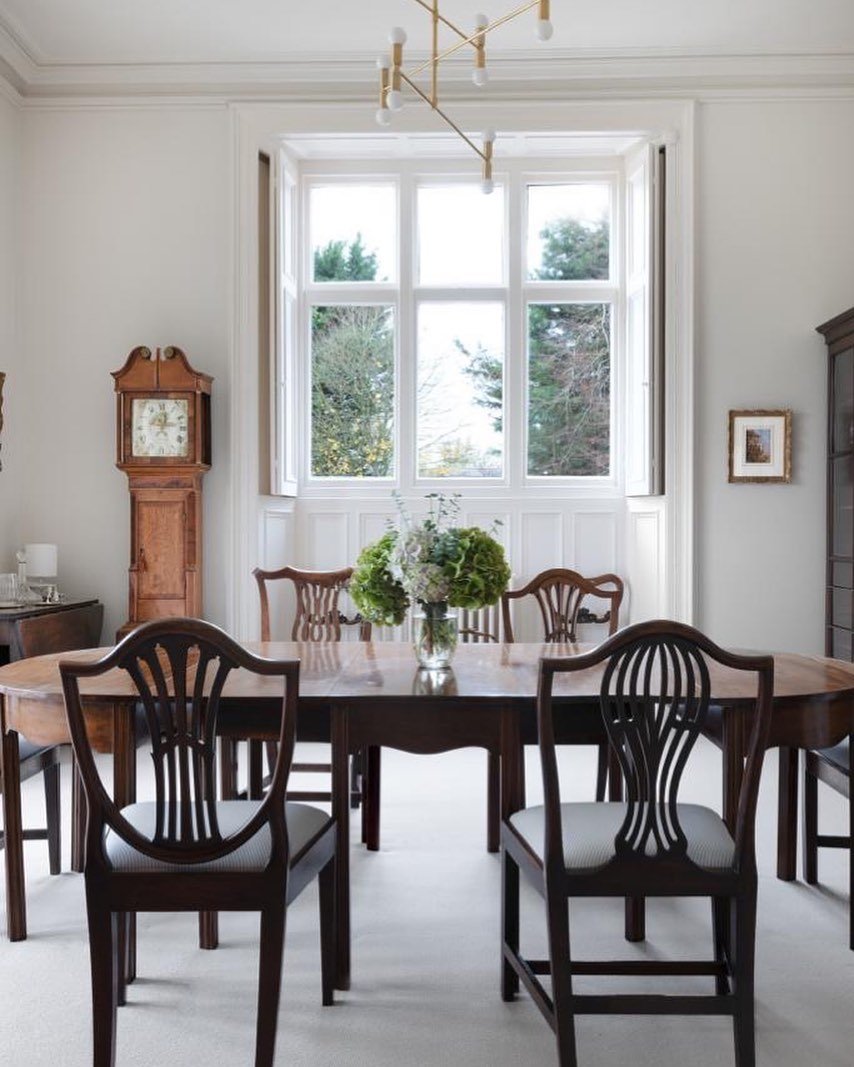
The trouble with instagram and Pinterest

The Double-Edged Sword of Pinterest and Instagram for Interior Design Inspiration

Pinterest and Instagram have revolutionised the world of interior design, offering endless inspiration at your fingertips. For designers and clients alike, these platforms serve as a valuable resource where you can easily gather and share images that capture the essence of your dream home. For clients who may not have the vocabulary to describe their style preferences, mood boards and saved posts offer a visual language that makes the design process smoother. It’s a win-win when it comes to communicating with your designer about what you love.

However, as much as these platforms can inspire, they can also overwhelm. With an endless stream of styles, ideas, and trends, it’s easy to fall into a state of decision paralysis. You find yourself second-guessing every choice, afraid to commit in case it’s the wrong one. Suddenly, the excitement of designing your dream space turns into a stressful and daunting task. This kind of overwhelm is common, and it’s a trap that many fall into without even realising it.

Interior Designer Liverpool

Interior Designer Liverpool

The Risk of Overused Trends: Avoiding the Trap of Mediocrity

Another downside of relying too heavily on Pinterest and Instagram for design inspiration is the homogenization of interiors. Everyone seems to be chasing the same aesthetic, sourcing from the same suppliers, and ending up with homes that look eerily similar. From the ubiquitous grey shaker kitchens to the same brass light fixtures and trending wall colors, it often feels like many homes are stuck in a loop of “safe” design choices that lack individuality. Instead of celebrating unique and personal spaces, we risk celebrating mediocrity.

This trend is especially noticeable in new builds and renovations, where the same style is repeated time and again, making homes feel cookie-cutter and devoid of personality. It’s as if originality has taken a back seat to replicating what’s popular online. While some elements may look stunning in one setting, they can lose their charm when overdone, leaving spaces that feel more like a trend checklist than a reflection of the homeowner’s personality.

The Danger of Mismatched Inspirations

One of the most significant pitfalls of sourcing design ideas from social media is the context disconnect. What looks fantastic in an urban loft might not translate well to a quaint countryside cottage. Instagram and Pinterest can sometimes create a false sense of what works, pushing ideas that are visually striking but contextually out of place. A minimalist, industrial kitchen might shine in a New York penthouse, but it could feel cold and out of sync in a traditional Victorian terrace.

It’s important to remember that just because something looks great in someone else’s home doesn’t mean it will have the same effect in yours. Each home has its own unique character, and what works for one might not work for another. The challenge lies in knowing how to adapt these ideas to fit your space, rather than forcing a trend that doesn’t belong.

Interior Designer Liverpool

Interior Designer Liverpool

The Pitfalls of Poor Design Ideas on Social Media

While Pinterest and Instagram are filled with stunning designs, they also host a fair share of questionable ideas that shouldn’t see the light of day. From impractical layouts to cheap DIY solutions that sacrifice style for savings, there are plenty of design “inspirations” that can do more harm than good. Following a poorly executed trend can leave your space looking less than ideal, or worse, impractical for everyday use.

Finding Balance: Inspiration vs. Individuality

So, how do you navigate the flood of inspiration without falling into these traps? The key is to use platforms like Pinterest and Instagram as starting points, not the be-all and end-all of your design journey. Work with a designer who can help you interpret and adapt these ideas to suit your space, lifestyle, and personal taste. Aim for a design that reflects you, not just what’s trending. By blending inspiration with individuality, you can create a home that stands out, tells your story, and feels uniquely yours.

Interior Designer Liverpool

Interior Designer Liverpool

The right interior design process goes beyond mimicking what’s popular online—it’s about crafting a space that feels cohesive, functional, and deeply personal. Don’t be afraid to step away from the screen, trust your instincts, and embrace a design that’s tailored to you. After all, your home should be a reflection of who you are, not just a replica of the latest Pinterest board.

Would you like more tips on personalising your space or diving deeper into any of these points?

contact me


Boring but essential questions you should ask your designer

When embarking on an interior design project, it’s easy to get swept up in the excitement of picking out beautiful fabrics, stunning furniture, and eye-catching paint colors. But before you start diving into the creative aspects, there are some crucial, albeit “boring,” questions you need to ask your interior designer. These questions might not be the most glamorous part of the process, but they’re essential for setting clear expectations, avoiding misunderstandings, and ensuring a smooth, stress-free experience from start to finish.

Whether you’re renovating a single room or transforming your entire home, these key questions will help you understand your designer’s approach, manage your budget effectively, and keep your project on track. Here are the most important questions to ask your designer before you get started.

Interior Designer Cheshire

Interior Designer Cheshire

1. What’s Your Design Process Like?

Understanding your designer’s process is crucial for setting expectations and ensuring you’re on the same page. Every designer works differently—some might take a highly collaborative approach with regular updates, while others might prefer to handle everything behind the scenes before presenting you with the final design.

Why It’s Important: Knowing the process helps you understand what to expect at each stage of the project, from initial consultations to final installations. It also allows you to identify any potential pain points early on and communicate your preferences for involvement in the process.

Key Points to Look For:

  • How many design concepts will you be presented with?

  • How are revisions handled?

  • How involved will you be in decision-making?

  • What is the timeline for each stage of the project?

2. How Do You Charge for Your Services?

One of the most important, but often overlooked, aspects of hiring a designer is understanding how they charge. Designers can bill in several ways: hourly rates, flat fees, or as a percentage of the total project cost. Some may also charge markups on furnishings or finishes they purchase on your behalf.

Why It’s Important: Knowing the fee structure upfront helps you manage your budget and avoid unexpected costs down the line. It also helps you understand what’s included in the fee—such as design concepts, sourcing, project management—and what might cost extra.

Key Points to Look For:

  • What is the total estimated cost for the project?

  • Are there additional costs for revisions or extra meetings?

  • How are payments scheduled?

  • Will you receive detailed invoices?

Interior Designer Cheshire

Interior Designer Cheshire

3. Can You Work Within My Budget?

Budget is one of the most sensitive topics in any design project, but it’s also one of the most important. Be upfront about your budget from the start and ask your designer if they can work within those parameters. A good designer should be able to maximise your budget, offering creative solutions that deliver high-end looks without breaking the bank.

Why It’s Important: Establishing a clear budget helps your designer make informed decisions about materials, finishes, and furnishings. It also ensures that your expectations align with what’s financially feasible for your project.

Key Points to Look For:

  • How do you handle budget constraints?

  • Are there areas where we can save without compromising on quality?

  • What’s the best way to allocate my budget for the most impact?

4. Who Are Your Preferred Suppliers and Tradespeople?

Most designers have a network of trusted suppliers, artisans, and tradespeople that they rely on to bring their designs to life. Understanding who your designer works with can give you insight into the quality and style of the materials and workmanship you can expect.

Why It’s Important: Knowing the team behind your project helps you gauge the quality of work and materials you’ll receive. It also reassures you that your designer has strong relationships that can help keep your project on schedule and within budget.

Key Points to Look For:

  • Do you have preferred suppliers, or are you open to sourcing from different places?

  • How do you vet tradespeople and artisans?

  • Can I use my own contractors?

5. How Do You Handle Unexpected Issues or Changes?

No matter how carefully you plan, unexpected challenges can arise during any design project. Whether it’s a backordered sofa, a surprise structural issue, or a paint colour that doesn’t look quite right, knowing how your designer handles these bumps in the road is essential.

Why It’s Important: A proactive, problem-solving approach is key to keeping your project on track and minimizing stress. You want a designer who can quickly adapt and find solutions without compromising the overall vision.

Key Points to Look For:

  • How do you communicate changes or delays?

  • What’s your process for handling additional costs due to unexpected issues?

  • How flexible are you with last-minute changes?

Interior Designer Cheshire

Interior Designer Cheshire

6. What’s Your Style, and How Will You Adapt It to Mine?

Every designer has their own style and aesthetic, but the best designers can adapt their approach to fit your tastes and needs. It’s essential to ask how your designer will interpret your style preferences while infusing their expertise.

Why It’s Important: This question helps you determine whether the designer’s aesthetic aligns with your vision. It also reassures you that they will listen to your ideas and incorporate them into a cohesive design.

Key Points to Look For:

  • Can you show examples of past projects that reflect my style?

  • How do you incorporate client input into your designs?

  • What’s your approach if we disagree on a design element?

7. How Do You Communicate Throughout the Project?

Clear and consistent communication is crucial to the success of any design project. Find out how often your designer will update you, which communication methods they prefer, and how they handle questions or concerns.

Why It’s Important: Knowing how your designer communicates helps you stay informed and involved throughout the project. It also sets the tone for a positive working relationship.

Key Points to Look For:

  • How often will we meet or speak?

  • Do you prefer emails, calls, or in-person meetings?

  • What’s the best way to reach you with questions?

Final Thoughts

Asking these “boring” but essential questions will set the foundation for a successful design project. They help you establish clear expectations, prevent misunderstandings, and ensure that your designer is the right fit for your needs. Remember, a good designer isn’t just there to make your home look beautiful—they’re there to guide you through the process, solve problems, and bring your vision to life.

Don’t be afraid to ask the tough questions; it’s your home, your budget, and your dream space at stake. By doing your homework upfront, you’ll set the stage for a design journey that’s as enjoyable as the final result.

Contact me

Full Bespoke Interior Design: A One-Stop Solution for Your Dream Home

Are you dreaming of a home that perfectly reflects your personality, lifestyle, and taste? Full bespoke interior design could be the answer. This comprehensive, tailor-made approach ensures every detail of your living space is designed to meet your unique needs and preferences. From initial concept to final touches, full bespoke interior design offers a seamless and personalised experience. Let's explore why this one-stop solution is the key to achieving your dream home.

What is Full Bespoke Interior Design?

Full bespoke interior design involves creating a custom-designed living space tailored to your specific requirements. Unlike off-the-shelf solutions or partial design services, full bespoke design covers every aspect of your home’s interior, including layout planning, furniture selection, color schemes, lighting, and accessories. This holistic approach ensures that all elements work harmoniously together, resulting in a cohesive and personalized living environment.

Luxury interior design Manchester

Luxury interior design Manchester

Benefits of Full Bespoke Interior Design

1. Personalization

One of the most significant advantages of full bespoke interior design is the level of personalization it offers. Every element of the design is tailored to your tastes, lifestyle, and functional needs. Whether you prefer a minimalist modern look or a cozy traditional style, your designer will work closely with you to bring your vision to life.

2. Attention to Detail

With full bespoke interior design, no detail is overlooked. Designers consider every aspect of your home, from the layout and flow of the space to the choice of materials and finishes. This meticulous attention to detail ensures that every element contributes to the overall aesthetic and functionality of your home.

3. Unique Solutions

A bespoke approach allows for unique solutions that standard design services cannot offer. Custom-made furniture, tailored storage solutions, and one-of-a-kind decor elements are just a few examples of how bespoke design can enhance your living space. These unique features not only add character to your home but also cater to your specific needs and preferences.

4. Quality Craftsmanship

Bespoke interior design often involves working with skilled artisans and craftsmen who create high-quality, custom pieces. This emphasis on craftsmanship ensures that your home is filled with beautifully made, durable items that stand the test of time. Quality craftsmanship not only enhances the aesthetic appeal of your home but also adds to its overall value.

Luxury interior design Manchester

Luxury interior design Manchester

5. Stress-Free Process

Managing a home renovation or redesign project can be overwhelming. Full bespoke interior design offers a one-stop solution, handling everything from initial planning and design to project management and final installation. This comprehensive service takes the stress out of the process, allowing you to enjoy the transformation of your home without the hassle.

The Bespoke Design Process

1. Consultation

The process begins with an in-depth consultation where the designer gets to know your needs, preferences, and lifestyle. This step is crucial in understanding your vision for your home and establishing a solid foundation for the project.

2. Concept Development

Based on the initial consultation, the designer develops a concept that reflects your style and requirements. This phase includes creating mood boards, sketches, and 3D visualizations to help you visualize the final result.

3. Design and Planning

Once the concept is approved, the designer creates detailed design plans, including floor layouts, furniture placement, and color schemes. This stage also involves selecting materials, finishes, and furnishings that align with your vision.

4. Implementation

With the design plans in place, the implementation phase begins. This step involves coordinating with contractors, craftsmen, and suppliers to bring the design to life. The designer oversees the project to ensure everything is executed to the highest standards.

Luxury interior design Manchester

5. Final Touches

The final step is adding the finishing touches that make your house feel like a home. This includes arranging furniture, hanging artwork, and adding accessories that complement the overall design. The result is a beautifully designed, cohesive living space that reflects your personality and style.

Why Choose Full Bespoke Interior Design?

Choosing full bespoke interior design for your home renovation or redesign project ensures a personalised, stress-free experience. With a dedicated designer managing every aspect of the project, you can be confident that your vision will be realised to the highest standards. This one-stop solution not only saves you time and effort but also delivers a unique, high-quality result that you will enjoy for years to come.

Conclusion

Investing in full bespoke interior design is the ultimate way to create a dream home that is truly yours. The personalized approach, attention to detail, and quality craftsmanship make it a worthwhile investment for anyone looking to transform their living space. If you’re ready to turn your vision into reality, consider full bespoke interior design for a home that reflects your unique style and needs.

Ready to start your journey to a dream home? Contact us today to schedule a consultation and discover the endless possibilities of full bespoke interior design.

contact me

The Power of the ‘Red Thread’ in Interior Design: Creating a Cohesive Home

One of the most powerful concepts in interior design is the idea of the "red thread." This essential design element ties a home together, ensuring that every space feels connected, harmonious, and thoughtfully curated. Without it, your home can easily feel disjointed—like a collection of individual rooms rather than a cohesive, unified space. Let’s explore why a red thread is crucial to interior design and how you can effortlessly incorporate it into your own home.

What is a ‘Red Thread’ in Interior Design?

In interior design, the term ‘red thread’ refers to a recurring element that runs throughout a home, connecting each room and creating a sense of continuity. This could be a specific color, material, pattern, or style that subtly repeats itself, weaving a narrative that ties the entire home together. Think of it as the common theme that stitches your design choices into one beautiful, cohesive scheme.

Interior designer Liverpool

Interior designer Liverpool

Why is a Red Thread Important?

  1. Creates a Cohesive Scheme: A red thread stops your home from feeling like a collection of unrelated spaces. It ensures that each room feels like a natural extension of the next, turning your house into a unified whole. This is especially important in open-plan living or larger homes where the flow between spaces needs to feel effortless and intentional.

  2. Helps Your Home Feel Like a Home: When each room feels connected, your entire space feels like home rather than a series of individual rooms. The red thread provides that sense of harmony, making every space feel purposeful and thoughtfully designed.

  3. Encourages Whole-Home Thinking: Incorporating a red thread encourages you to think of your home as a whole rather than decorating each room in isolation. This approach ensures that your design choices aren’t just pleasing on their own but contribute to the overall feel of your home.

  4. Makes Design Decisions Easier: A red thread can act as a guiding principle, making decorating decisions easier. When you have a recurring element to refer back to, you’re less likely to make choices that feel out of place, ensuring that your style remains consistent throughout.

  5. Enhances Visual Flow: The continuity created by a red thread enhances the visual flow of your home, making it a more inviting and comfortable space. This flow isn’t just about aesthetics—it also impacts how you and your guests move through and experience your home.

How to Achieve a Red Thread in Your Home

Creating a red thread in your home doesn’t have to be complicated. Here are some easy ways to incorporate this essential design element:

  • Choose a Key Colour: One of the simplest ways to establish a red thread is by selecting a key colour and using it throughout your home. This doesn’t mean painting every wall the same shade but rather finding subtle ways to incorporate the colour—through cushions, artwork, rugs, or even small accessories.

  • Repeat a Texture or Material: If you prefer a more neutral palette, consider using textures or materials as your red thread. For instance, repeating warm woods, brushed metals, or soft linens across different spaces can create a consistent look and feel without overwhelming your design.

  • Incorporate a Signature Pattern: Whether it’s stripes, florals, or geometric shapes, repeating a pattern can help establish a red thread. It could be a subtle motif in a throw pillow or a bold statement wallpaper in one room that echoes elsewhere in a more muted way.

  • Use Similar Design Styles: While mixing design styles can be interesting, sticking to a similar style across all rooms can serve as your red thread. For instance, a blend of modern and vintage pieces can create a distinctive, cohesive aesthetic that feels intentional.

Interior designer Liverpool

Interior designer Liverpool

Final Thoughts

Incorporating a red thread into your home’s design isn’t just about aesthetics—it’s about creating a space that feels connected, intentional, and uniquely yours. By repeating colors, textures, or styles, you can ensure that your home feels like a beautifully curated narrative rather than a series of unrelated spaces. Whether you’re starting from scratch or looking to refresh your existing decor, embracing the red thread concept can transform your home into a cohesive, harmonious retreat.


If you are feeling stuck with your project and want some help creating your own ‘red thread’ then get in touch below:

Contact me


Bespoke Joinery: Why It's Worth the Investment

The Transformative Power of Bespoke Joinery: Why It's Worth the Investment

When it comes to interior design, every detail matters. From the colour of the walls to the type of furniture, each element contributes to the overall aesthetic and functionality of a space. One of the most impactful yet often overlooked aspects is joinery design. Investing in bespoke joinery design can transform your home, adding both beauty and value. Here’s why bespoke joinery design is worth the investment.

1. Tailored to Your Needs

Bespoke joinery design is all about customisation. Unlike off-the-shelf options, bespoke pieces are tailored to fit your specific needs and preferences. Whether you need custom-built wardrobes, unique shelving units, or a perfectly fitted kitchen, bespoke joinery ensures that every piece is designed with your space and lifestyle in mind. This level of personalisation is impossible to achieve with mass-produced furniture.

Interior Designer Didsbury

Bespoke Joinery Design

2. Maximises Space Utilisation

One of the significant advantages of bespoke joinery is its ability to maximise space utilisation. Custom joinery can make the most out of awkward corners, under-stair spaces, and other challenging areas in your home. By fitting perfectly into the available space, bespoke joinery helps create a more organised and efficient living environment, making your home feel more spacious and functional.

Interior designer Didsbury

Bespoke Joinery Design

3. Enhances Aesthetic Appeal

Bespoke joinery adds a touch of elegance and sophistication to any space. Custom-designed pieces blend seamlessly with the existing decor, enhancing the overall aesthetic appeal of your home. Whether you prefer a modern, minimalist look or a classic, traditional style, bespoke joinery can be crafted to complement your design vision perfectly. This attention to detail and craftsmanship can elevate the appearance of your interiors, making them truly unique and beautiful.

4. High-Quality Craftsmanship

Investing in bespoke joinery means investing in high-quality craftsmanship. Skilled artisans meticulously design and construct each piece using the finest materials and techniques. This results in furniture and fittings that are not only visually stunning but also durable and long-lasting. The superior quality of bespoke joinery ensures that your investment will stand the test of time, providing you with beautiful and functional pieces for years to come.

Interior Design Didsbury

Bespoke Joinery Design

5. Adds Value to Your Property

Bespoke joinery can significantly increase the value of your property. Custom-designed interiors are highly desirable and can make your home more attractive to potential buyers. Features such as built-in wardrobes, custom kitchen units, and elegant shelving systems are seen as premium additions that can set your property apart in a competitive market. By investing in bespoke joinery, you’re not only enhancing your living space but also adding to the long-term value of your home.

6. Eco-Friendly Option

Many bespoke joinery companies are committed to sustainable practices. By choosing bespoke joinery, you have the opportunity to select eco-friendly materials and support artisans who prioritize sustainability. Custom joinery can also reduce waste, as each piece is made to order, eliminating the need for mass production and excess inventory.

7. Reflects Your Personality and Style

Your home is a reflection of your personality and style. Bespoke joinery allows you to express yourself through unique, custom-designed pieces that showcase your taste and individuality. Whether it’s a statement bookshelf, a custom kitchen island, or intricately designed cabinetry, bespoke joinery enables you to create spaces that are truly yours.

Interior Design Didsbury

Bespoke Joinery Design

Conclusion

Investing in bespoke joinery design offers numerous benefits, from maximizing space utilization and enhancing aesthetic appeal to providing high-quality craftsmanship and adding value to your property. By choosing bespoke joinery, you’re not just buying furniture; you’re investing in custom-made pieces that reflect your style and meet your specific needs. In a world where individuality and quality are increasingly valued, bespoke joinery design is undoubtedly worth the investment.

Ready to transform your space with bespoke joinery design? Contact us today to explore how our custom solutions can elevate your home.

Contact Me