Designing a Feeling

(Not just a space)

When people ask what style I do, I always pause. Because it’s never just about style.

I’m not designing a space.
I’m creating a feeling.
One that’s rooted, expansive, rich in soul and effortlessly luxurious. A home that feels like you belong there before you even walk through the door.

So what does that look like?

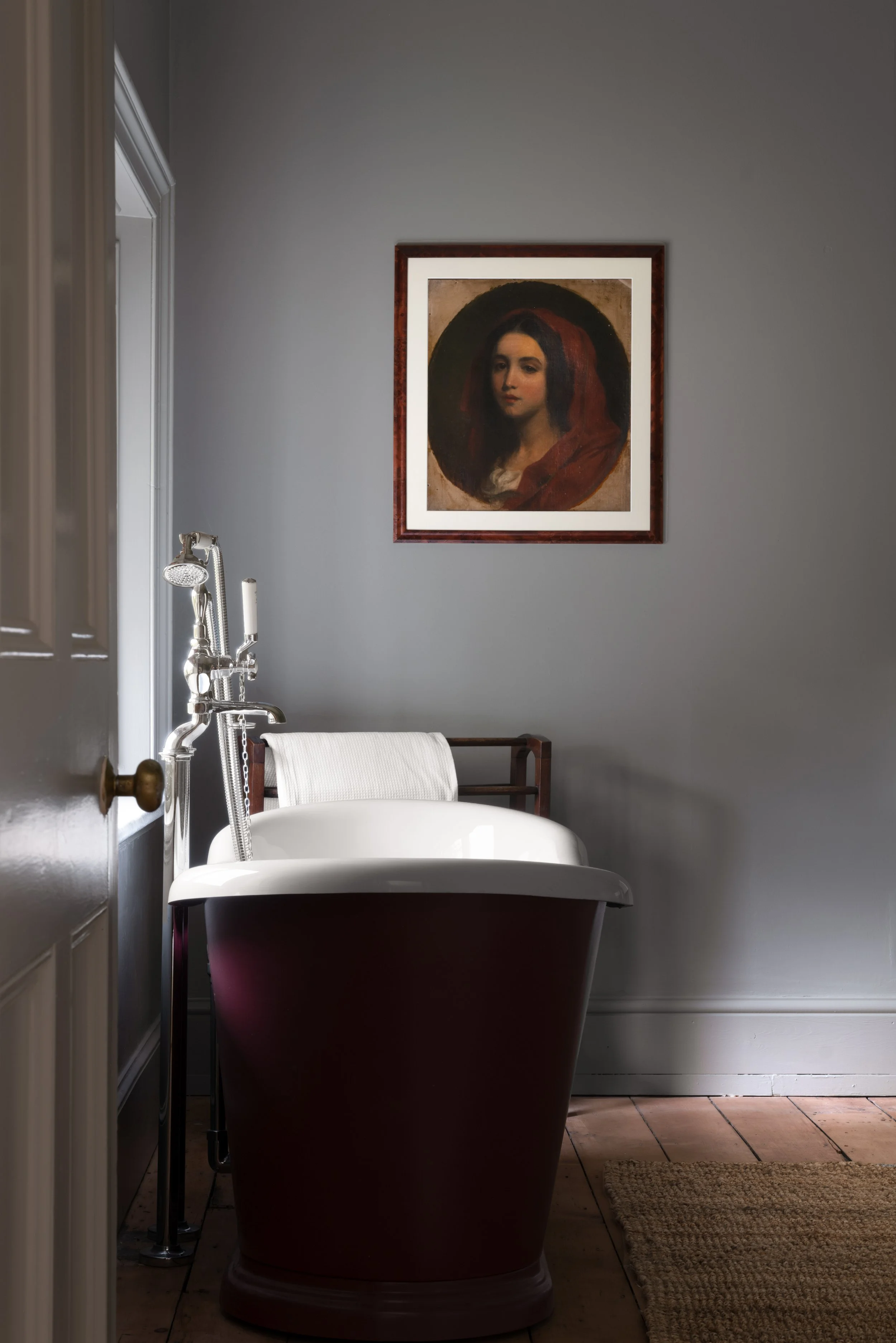
It’s the quiet confidence of mid-century modern lines.
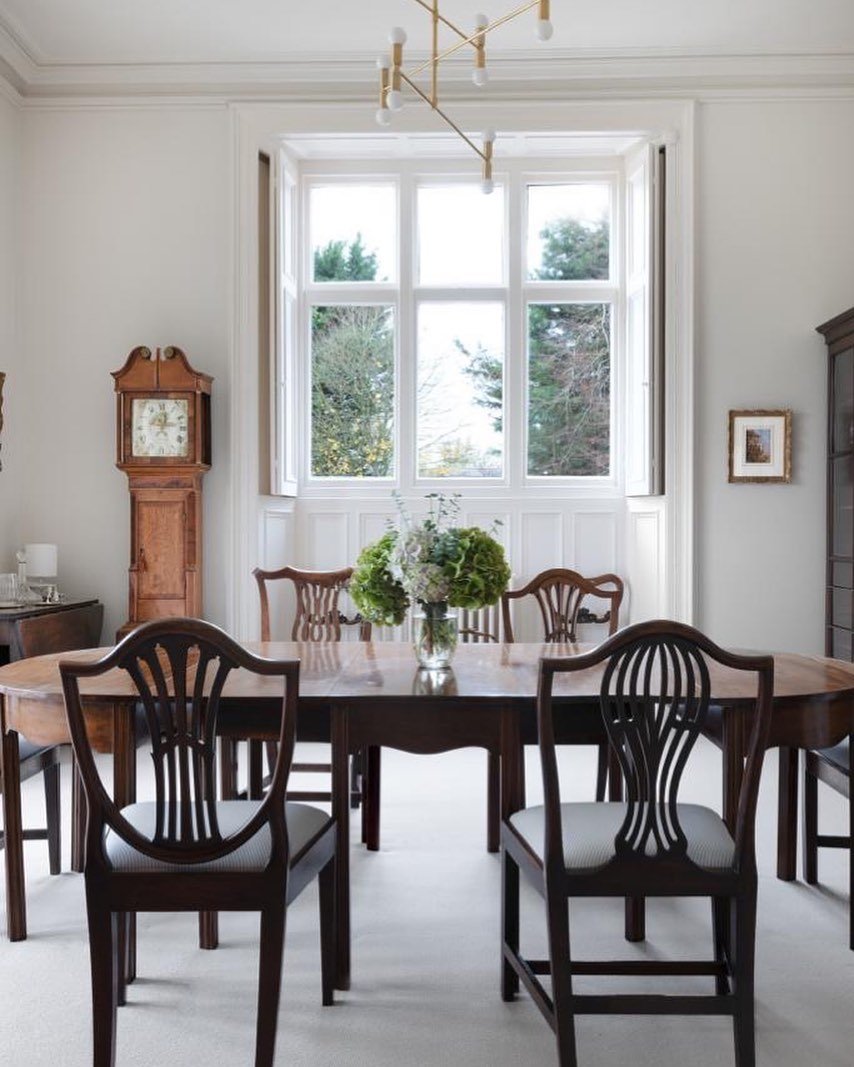
The grounding depth of antiques that carry stories.
The kind of neutrals and colours that don’t shout, but settle.
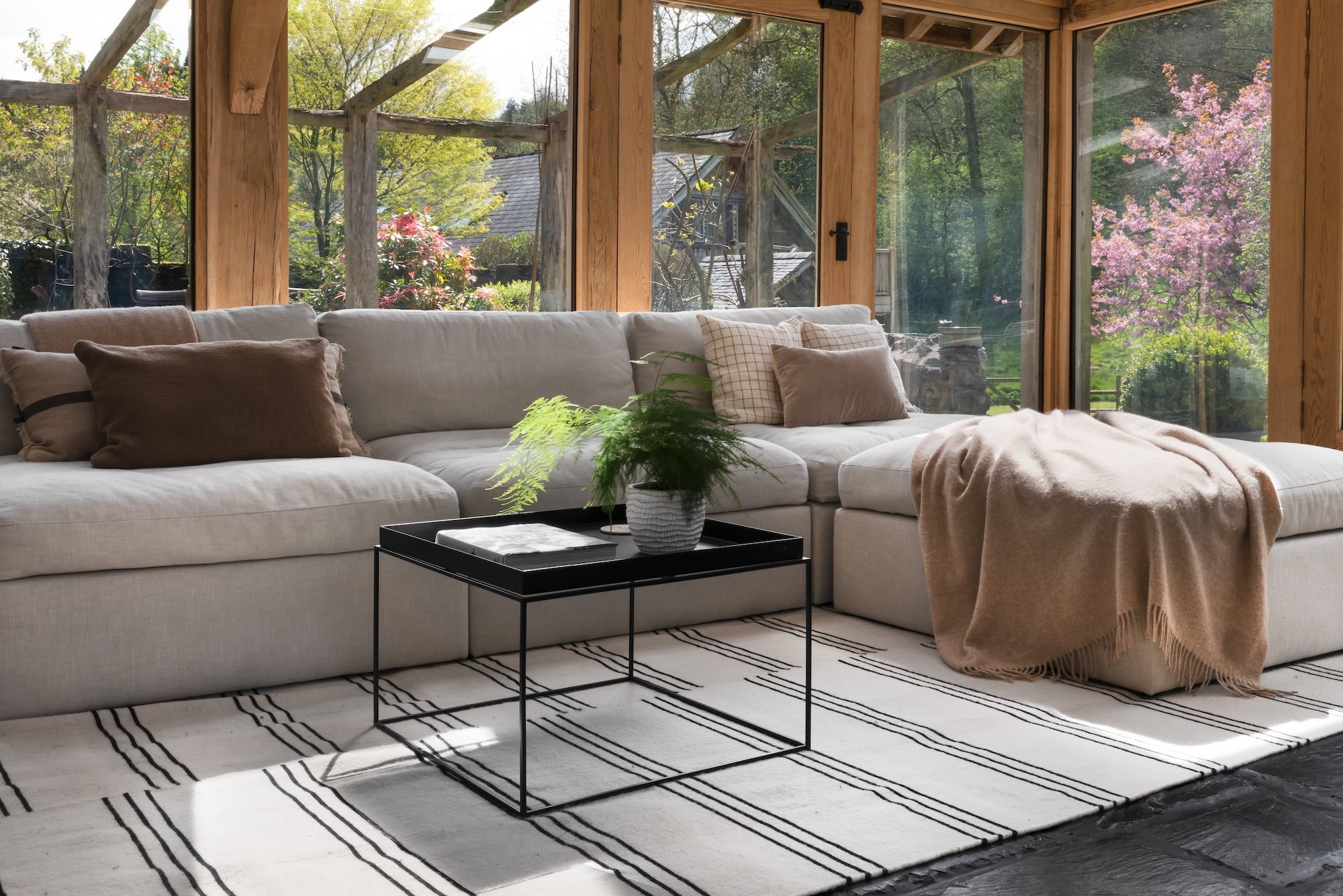
Textures you want to touch. Fabrics that feel like rest.
Natural materials that age well, like the people who live there.

Interior Designer Cheshire

It’s not trend.
It’s not trying.
It’s taste.
It’s soul.
It’s you.

Because a well-designed home doesn’t perform.
It holds you.

Beauty in the Rubble: How Loss Taught Me to Design With Soul

I always had an idea that I might do interior design one day.
But I took the fashion route instead—chasing beauty through fabrics, forms, silhouettes.

Because I’ve always loved beauty.
Not the loud kind, but the quiet kind.
The way a room can make you exhale. The way a certain light can soften the hardest days.
The way home—when done right—can hold you.

But I didn’t come to design through beauty.
I came to it through loss.

There was a house. A moment. A rupture.
Everything I thought I knew about myself cracked open.
The house took something from me—yes.
But it gave me something too.

A remembering.
Of how space makes us feel.
Of how light changes everything.
Of what it means to make something beautiful out of what’s breaking you.

That’s where interior design truly found me.
Not in inspiration—but in the rubble.

And from that place, I began to rebuild.
First myself.
Then the space around me.
One lamp, one layout, one softened corner at a time.

Because grief does something strange.
It strips everything back to the bones.
And when you're down to the structure, you see clearly:
What matters.
What soothes.
What you need.
What you never want to compromise on again.

Design became my way back to myself.
And now, it's what I offer to others—not just rooms that look beautiful, but spaces that feel like they hold you.

Spaces that say:
You're safe here.
You're seen here.
You belong here.

Because great design isn’t just visual.
It’s emotional.
It’s cellular.
It’s soul-deep.

That’s the heart of my work.

Not decoration.
But transformation.

If you're ready to create a home that holds you—one that reflects not just your taste, but your truth—I’d be honoured to help you design it.

Lets work together

Top interior design tips to create a scheme that works

Designing a home that feels cohesive, inviting, and stylish can be a daunting task. With so many choices and trends, it’s easy to feel overwhelmed by the options. However, a few simple guidelines can make all the difference. Here are our top interior design tips to create a scheme that truly works, from using vintage pieces to layering textures and mixing high-end with high-street finds.

1. Use Vintage Pieces to Add Interest

Incorporating vintage pieces into your design is one of the best ways to add character and uniqueness to your space. Vintage furniture, artwork, or accessories bring a sense of history and individuality that you simply can’t find in modern, mass-produced items. These pieces can tell a story, create a focal point, and add depth to your overall design. Whether it’s an antique mirror, a retro armchair, or a mid-century coffee table, vintage elements can elevate your space and make it feel personal and curated.

Interior designer cheshire

Interior Designer Cheshire

2. Limit Key Pieces to 3-4 Per Room

It’s tempting to fill every corner of a room with beautiful things, but restraint is key to a well-designed space. Focus on 3-4 key pieces that define the room—think a standout sofa, an eye-catching piece of art, or a beautiful rug. By limiting your key pieces, you allow each item to shine and avoid overcrowding the space. This approach keeps your room feeling open and airy while ensuring that your chosen items have maximum impact.

3. Always Include Some Black to Ground the Space

Including a touch of black in your design is an often-overlooked trick that can dramatically change the look of a room. Black acts as an anchor, grounding the space and adding depth. It doesn’t have to be overwhelming—a simple black frame, a sleek lamp, or even black hardware can do the trick. The contrast it provides helps to balance lighter tones and brings a sophisticated edge that makes the overall scheme feel polished and cohesive.

Interior designer cheshire

Interior Designer Cheshire

4. Don’t Buy Everything From One Supplier or Shop

While it’s easy to buy everything from one shop, this approach can leave your home looking like a showroom. To create a space that feels layered and interesting, mix pieces from different suppliers. Combining items from high-end stores, vintage shops, and even budget-friendly high-street finds will give your home a more collected, curated look. This method ensures your space reflects your personality rather than a single brand’s style.

5. Layer Materials and Textures for Depth

Layering different materials and textures is essential for creating a dynamic and inviting interior. Think soft linens against rough wood, smooth metals paired with plush velvets, or glass accents next to natural stone. Mixing textures adds depth and richness, making your space feel more complex and engaging. The more you play with contrasts—soft against hard, shiny against matte—the more visually appealing your room will become.

Interior designer cheshire

Interior designer cheshire

6. Think in Threes When Styling

The rule of three is a classic design principle that can be used to style anything from coffee tables to shelves. Grouping items in threes creates a sense of balance and visual interest that’s pleasing to the eye. For example, when styling a console table, combine a lamp, a stack of books, and a decorative object like a vase or sculpture. The key is to vary the heights and shapes to create a balanced yet dynamic arrangement.

7. Layer Your Lighting

Lighting is one of the most important aspects of interior design, yet it’s often overlooked. To create a space that feels warm and inviting, layer your lighting with a mix of ambient, task, and accent lights. Think overhead lighting combined with table lamps, wall sconces, and candles. Layered lighting adds depth, highlights key areas, and sets the mood, allowing you to change the atmosphere of the room depending on the time of day or occasion.

8. Mix High-End and High-Street Finds

Creating a luxurious look doesn’t mean everything has to come with a hefty price tag. Mixing high-end pieces with affordable finds is a great way to achieve a stylish, unique space without breaking the bank. Splurge on key items that will be the focal points of your room, like a statement sofa or designer light fixture, and balance them with more affordable decor items like cushions, throws, or side tables. This approach not only keeps your budget in check but also ensures your home feels layered and thoughtfully curated.

Interior designer cheshire

Interior Designer Cheshire

Final Thoughts

Designing a home that feels cohesive and inviting is all about balance. By blending vintage with modern, mixing high-end with high-street, and paying attention to details like lighting and texture, you can create a scheme that not only looks beautiful but also feels like a true reflection of you. So, don’t be afraid to experiment, layer, and mix—it’s these thoughtful combinations that make your space stand out.

Would you like any further tweaks, or is there another design topic you’d like to explore?

Contact me


The Benefits of Hiring an Interior Designer for Your Second Home or Holiday Retreat

Investing in a second home or holiday retreat is a dream come true for many, but designing it to reflect your personal style and create a relaxing escape can be more challenging than expected. Whether it's a countryside cottage, a beachside villa, or a mountain cabin, hiring an interior designer for your second home can make all the difference. Not only will it ensure the space is functional and aesthetically pleasing, but it will also help you make the most of your investment.

In this blog, we'll explore the key benefits of working with an interior designer to create the perfect getaway.

1. Time-Saving Expertise

One of the biggest advantages of hiring an interior designer for your holiday home is the time it saves you. As a busy homeowner, you may not have the time to research design trends, source materials, or manage renovations. A designer handles all the details, from concept to completion, ensuring that your second home is designed beautifully without you having to be hands-on.

Instead of spending countless hours looking for furniture, coordinating with contractors, and making design decisions, you can trust your designer to do the heavy lifting. This frees up your time to focus on other aspects of your life and enjoy your holiday home sooner.


2. A Cohesive Design that Matches Your Style

Interior designers are skilled at creating cohesive spaces that reflect their clients' personal tastes and lifestyle. Whether you want a modern coastal look for your beach house or a rustic, cozy vibe for your mountain retreat, an interior designer will work with you to develop a design concept that aligns with your vision.

By blending your style with their expertise, they’ll help you avoid common design mistakes and ensure that each room in your second home feels like part of a unified, harmonious space.

Interior Designer Liverpool

Interior Designer Liverpool

3. Maximising Space and Functionality

Whether your second home is a cozy cabin or a sprawling seaside villa, an interior designer can help you make the most of the available space. Designers are experts at space planning and know how to create layouts that maximise functionality without sacrificing aesthetics.

This is especially important in smaller holiday homes where space may be limited. From clever storage solutions to multifunctional furniture, an interior designer ensures that your second home is both beautiful and practical.

4. Access to Exclusive Resources and Suppliers

One of the major benefits of working with an interior designer is their access to exclusive resources and suppliers. Designers often have relationships with high-end furniture makers, artisans, and suppliers that aren't accessible to the general public. This means they can source unique, high-quality pieces for your holiday home that you wouldn’t find in regular retail stores.

These exclusive connections allow your second home to stand out, filled with bespoke furniture and luxury finishes that enhance its character and style.

5. Budget Management and Cost Efficiency

Many homeowners assume that hiring an interior designer is an added expense, but in reality, a designer can help you stick to your budget and make cost-efficient decisions. They’ll manage your budget carefully, ensuring you get the best value for your investment while avoiding costly mistakes.

Whether you're furnishing a holiday retreat on a modest budget or investing in high-end pieces, an interior designer will guide you through the process, making smart choices that align with your financial plan.

Interior Designer Liverpool

Interior Designer Liverpool


6. Stress-Free Project co-ordination

Designing a second home can be stressful, especially if you’re trying to manage the project from afar. An interior designer acts as the project coordinator, liaising with contractors, ensuring that deadlines are met, and overseeing every aspect of the design and installation process.

This is especially beneficial if your holiday home is located in a remote area or a different country. A designer will keep everything on track, providing you with regular updates so you don’t have to worry about managing the project yourself.

7. Increase the Value of Your Investment

Hiring an interior designer can also increase the value of your second home. A well-designed, luxurious holiday retreat is not only more enjoyable for you and your family but also more attractive to potential buyers or renters. If you plan to rent out your second home as a holiday let, an interior designer can create a space that stands out from the competition and appeals to high-end renters.

Interior Designer Liverpool

Interior Designer Liverpool

Conclusion: Elevate Your Second Home with Professional Design

When it comes to your second home or holiday retreat, hiring an interior designer is one of the best decisions you can make. From saving time and stress to creating a cohesive and luxurious space, a professional designer can help you transform your holiday home into the perfect escape.

By taking care of the details, managing the budget, and sourcing unique items, they ensure that your retreat is not only beautiful but functional, comfortable, and tailored to your needs. Whether you're planning to use it for personal enjoyment or as a rental property, the benefits of professional interior design are well worth the investment.

If you’re ready to elevate your second home, contact us today to discuss how we can help you create the perfect holiday retreat.

Learn more