The beauty of scars

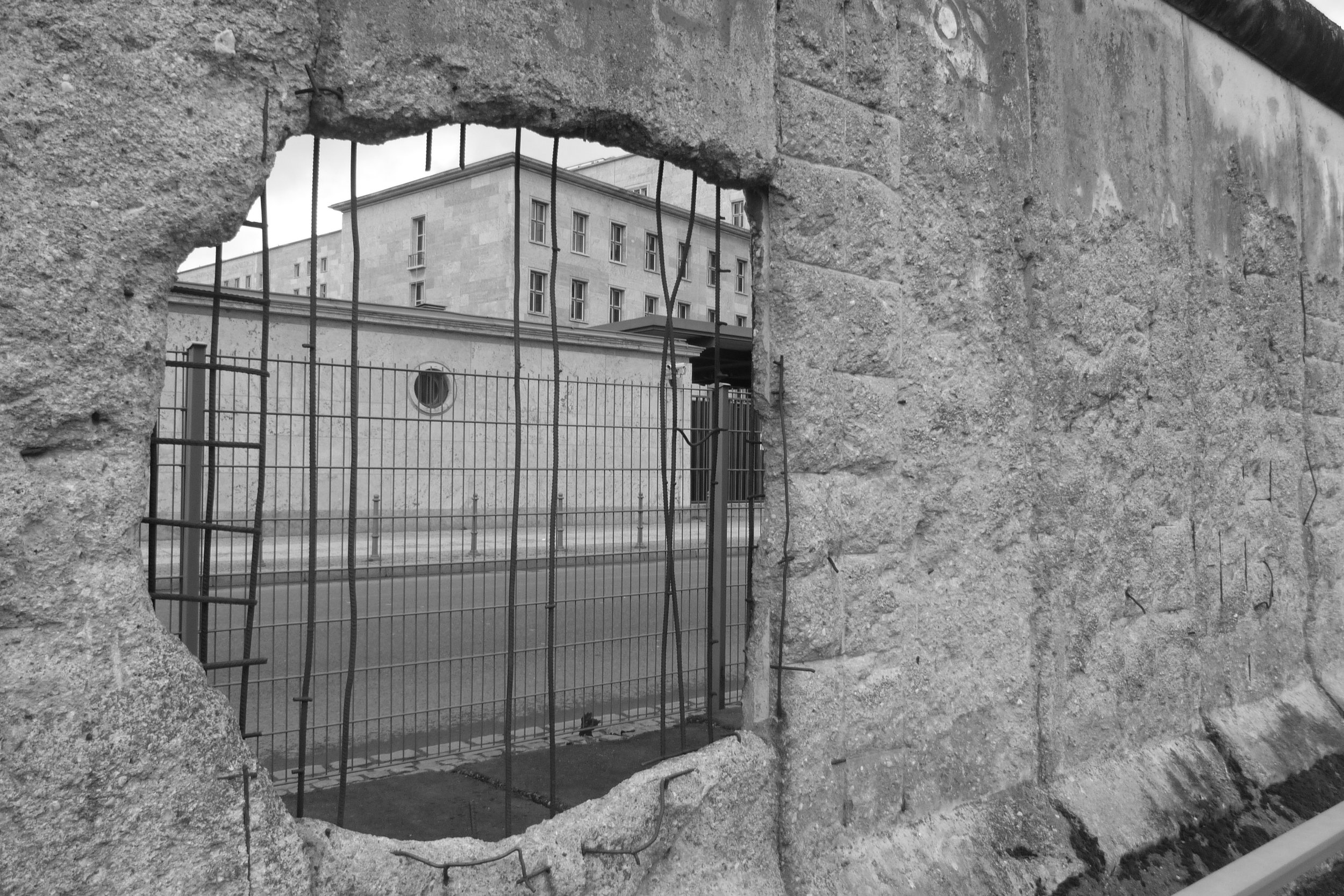
I love Berlin because it doesn't pretend.

The scars are still visible.

Not in a dramatic way.

They're simply there.

In the architecture. In the streets. In the fragments of wall that remain. In the strange tension between old and new.
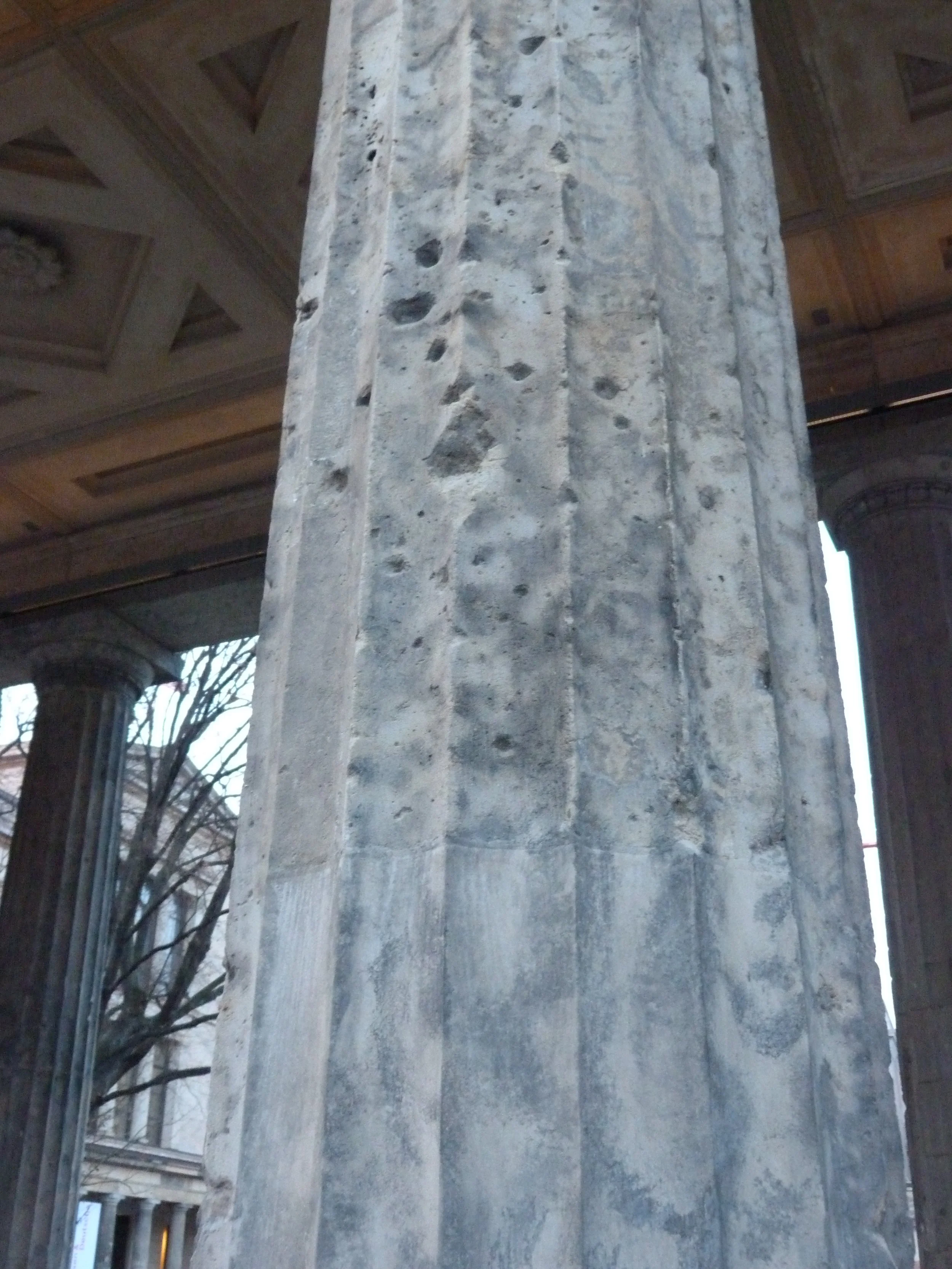
The city doesn't try to convince you that nothing happened here. It doesn't smooth itself over. It doesn't cover everything in fresh plaster and a marketing campaign.

It tells the truth.
I've always been drawn to places like that. Places that wear their history openly.

The weathered door in India. The old hotel bar. The worn stone step. The antique chair. The faded photograph.

The things that reveal rather than conceal.

Which has made me wonder if what I'm really responding to isn't beauty at all.

It's evidence.

Evidence that something happened. Evidence that someone was here. Evidence that life was lived.

The older I get, the more suspicious I become of perfection. Not because I think perfection is bad. Because I think perfection is often edited. Curated. Sanitised. Stripped of the very thing that makes something interesting in the first place.

Its history. Its contradictions. Its scars.

Somewhere along the way we became obsessed with removing every trace. As though the goal is to arrive at the end of life looking as though none of it ever happened.

Which feels odd to me.

Because when I look around, the things I find most beautiful are usually the things that have survived something.

Berlin survived. Old buildings survived. Vintage clothes survived. Relationships survive. People survive.

The marks are not separate from the story.

The marks are the story.

Perhaps that's why I've never thought much about the scar that runs across my stomach. Not because I love it. Not because I've built some empowering narrative around it.

It simply exists.

It's evidence. Proof that something happened. Proof that I have a history. The same way Berlin has a history. The same way an old hotel has a history. The same way a weathered piece of furniture has a history.

And maybe that's what I've been drawn to all along.

Not scars. Not nostalgia. Not imperfection for imperfection's sake.

Truth.

The traces left behind when something has been fully lived.

Because the things that move me most have never been the things that look untouched.

They've always been the things that reveal where life happened.
Borrowed taste


People assume they know the kinds of places I like.

As an interior designer, they imagine I always want to go to the newest cocktail bar. The beautifully designed boutique hotel and the restaurant everyone is talking about and to be fair, sometimes I do. I enjoy getting dressed up, love exceptional design and I love luxury but I’m just as likely to spot a random Irish pub and say, “Let’s go in there.”

It took me years to realise I wasn’t really looking for beautiful places but I was searching for places with a point of view. Its never really been about whether somewhere is expensive or cheap It’s all down to whether it feels like it could exist anywhere else.

Ask me about my favourite bars and you’d probably get them completely wrong. One was down a side street in Thailand, It had random objects covering the walls, the toilets barely flushed and It looked as though every traveller had left something behind over the years. It was the opposite of polished and hadn’t been curated to within an inch of its life It simply had a point of view.

When I lived in Berlin, my favourite bar was my local, It was open twenty-four hours a day, tradespeople came in after work, sex workers stopped by between clients, there were students, artists, old men nursing the same beer for hours, everyone occupied the same room and it felt unapologetically Bavarian. It wasn’t trying to appeal to everyone It was simply itself and I spent more hours in that bar than i would car to admit to!

Another favourite was an old abattoir that had been converted into a bar. again, what I loved wasn’t that it was unusual, It was that it had conviction.

Now don’t get me wrong, I also love some of the most beautiful hotels in the world and I’ll happily spend a fortune staying somewhere with extraordinary interiors.

Beauty matters. Always has and always will but beauty alone has never been enough to make me fall in love. I’ve walked into countless beautiful bars, restaurants and hotels and thought,

“Oh yeah.”

“This is nice.”

Then forgotten them a week later.

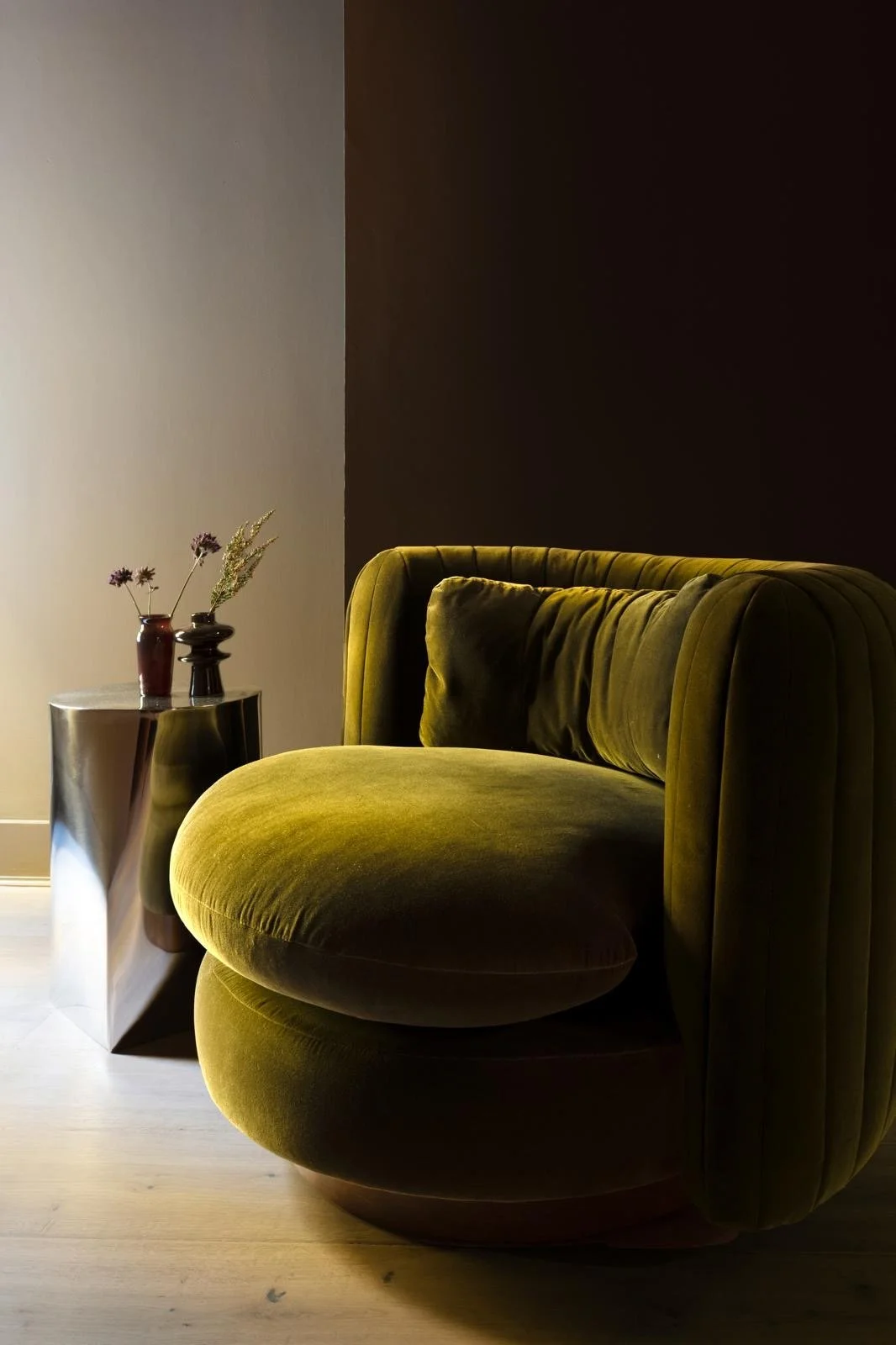
Because after you’ve seen the fifth marble bar, the fifth burnt orange velvet banquette and the fifth carefully curated palette, they begin to blur into one another. Everything is beautiful, correct and ticks all the boxes but its forgettable.

What I’ve realised is that I’m not searching for perfection I’m searching for identity. I don’t fall in love with places because they’re beautiful. I fall in love with places because they know exactly what they are.

Take the Elvis obsessive whose house is styled like a mini Graceland, It isn’t my aesthetic, not even close, but after thirty seconds I know more about the person who lives there than I do after walking around an entire Pinterest house. It’s impossible to mistake that home for anyone else’s. Now compare that to the house assembled from Pinterest boards and Instagram saves. The travertine. tick, the fluted glass, tick, the boucle chair, tick.

Everything is technically right. Everything says, “I have good taste.”

But after five minutes I still have no idea who lives there.yes, the house has taste but the person has disappeared and that’s when I realised something. I can forgive bad taste far more easily than I can forgive borrowed taste but I don’t think we borrow taste consciously. I think we absorb it. nWe see the same oak slats, the same boucle chair and eventually they stop feeling like trends and start feeling like truth.

Familiarity quietly disguises itself as preference.

So I wonder how often this happens.

Do you actually like it?

Or have you simply seen it enough times that you’ve mistaken familiarity for taste?

I think that’s why feature walls have always puzzled me. They often feel less like a design decision than a compromise.

“I like colour... just not enough to commit.”

This isn’t an argument for eccentricity, or maximalism, or filling your home with Elvis memorabilia. The point isn’t to make your house louder but to make it more truthful.

My job as a designer isn’t to amplify every impulse. It’s to uncover what is genuinely you, strip away everything borrowed, then express it with beauty, restraint and permanence.

As a designer, I know this isn’t always straightforward, every project is a conversation. Budgets matter, planning has to be taken into consideration and clients matter. Not every idea survives the process, nor should it. But this is the standard I’m holding myself to.

I don’t want to create homes that simply demonstrate that their owners have good taste. I want to create homes that reveal the people who live in them. Homes that couldn’t belong to anybody else. That absolutely doesn’t mean giving clients everything they ask for, they don’t hire me because I know where to buy expensive furniture, they hire me because I can see how hundreds of small decisions combine into a feeling and yes, sometimes that means challenging a decision, not because it’s my personal preference but because it’s moving us further away from the home they told me they wanted in the first place. They’re looking for someone to uncover what makes their home unmistakably theirs, then express it with beauty, restraint and permanence.

That’s my philosophy.

Beautiful homes are everywhere but beautiful isn’t rare anymore.

Identity is.

The funny thing is, I think this is true of people too. A beautiful person with no curiosity, humour or opinions might catch my attention, they probably wouldn’t keep it. Beauty catches my attention. Character keeps it.

Perhaps that’s why the places I remember most all have the same quality.

The Thai bar.

My Berlin local.

The converted abattoir.

The great old hotels.

Even the luxury places I love most. None of them were trying to be approved of, they were just being exactly, unmistakably themselves.

Which is, I suppose, the only thing worth being.


Evidence

On beautiful things and the lives that happen inside them

People think they want beautiful homes.

Marble worktops. Designer sofas. Antique tables and perfectly styled shelves.

And I love beautiful things — I am genuinely the wrong person to argue otherwise. There are pieces I own simply because I love them. Pieces that make my heart skip a beat every time I walk past them.

If I'm being completely honest, there are a few things in my house that no bugger is allowed near.

Not everything needs to become a family heirloom via accidental red wine damage.

But I've become convinced that beautiful things aren't actually what people are searching for.

They're searching for a life.

The beautiful things are simply the framework that holds it.

Every Christmas, my house fills beyond capacity. where the dining table was never designed for that many people, the emergency chairs come out of the shed, someone squeezes onto the end and somebody else is balancing a plate on their knee because there simply isn't enough room. The marble worktop I spent months choosing is covered in bowls of roast potatoes, half-open bottles of wine and enough food to feed a small army. Nobody is admiring the stone or discussing the joinery. Nobody cares.


Because the room is doing exactly what it was designed to do, it's bringing people together and years later, nobody remembers what the marble cost. They remember who was sitting around it and the same goes for the dining table. There are rings from red wine glasses with tiny scratches. Marks that every furniture care guide would probably tell me shouldn't be there.

I love them.

Because those marks aren't damage. They're evidence.

Evidence of dinners that ran longer than expected. Evidence of people staying late. Evidence of laughter, celebrations, stories and conversations that mattered.

Evidence that the table wasn't treated like an object.

It was treated like part of a life.

The sofa is the same.

People spend thousands searching for the perfect sofa. But my favourite memories of a sofa have very little to do with upholstery. They're the nights when someone inevitably ends up dancing on it. The evenings when everyone collapses onto it after dinner. The conversations that continue long after everyone should have gone home.

The sofa matters, but not because it's beautiful, because of what happens on it.

Beauty matters.

Architecture matters.

Materials matter.

Atmosphere matters.

The spaces we create shape the lives we live within them. A kitchen can encourage people to gather. A dining room can invite people to linger. A home can make people feel welcome, relaxed, celebrated and connected.

The memories and the environment are not competing with one another.

They're working together.

The older I get, the more I realise that the things I treasure most are neither the objects nor the experiences alone.

It's the relationship between them.

The table everyone gathers around. The worktop covered in food every Christmas. The sofa that has witnessed countless conversations.

The objects matter.

Of course they do.

But the memories are what make them priceless.

The spaces I love most aren't the most perfect

I've stayed in hotels where the bed wasn't particularly comfortable.

I've stayed in hotels where the interiors weren't exactly my taste.

I've stayed in hotels where the WiFi was questionable, the bathrooms dated and the service occasionally chaotic.

Yet years later, I still think about them.

Not because they were perfect.

Because they felt alive.

For a long time, I thought I was interested in beautiful spaces. Then I thought I was interested in luxury. Then I thought I was interested in good design.

Now I'm not so sure.

Because when I think about the places that have stayed with me, they have remarkably little in common. Different countries, different aesthetics, different histories, different levels of luxury. Yet they all share the same quality.

They feel alive.

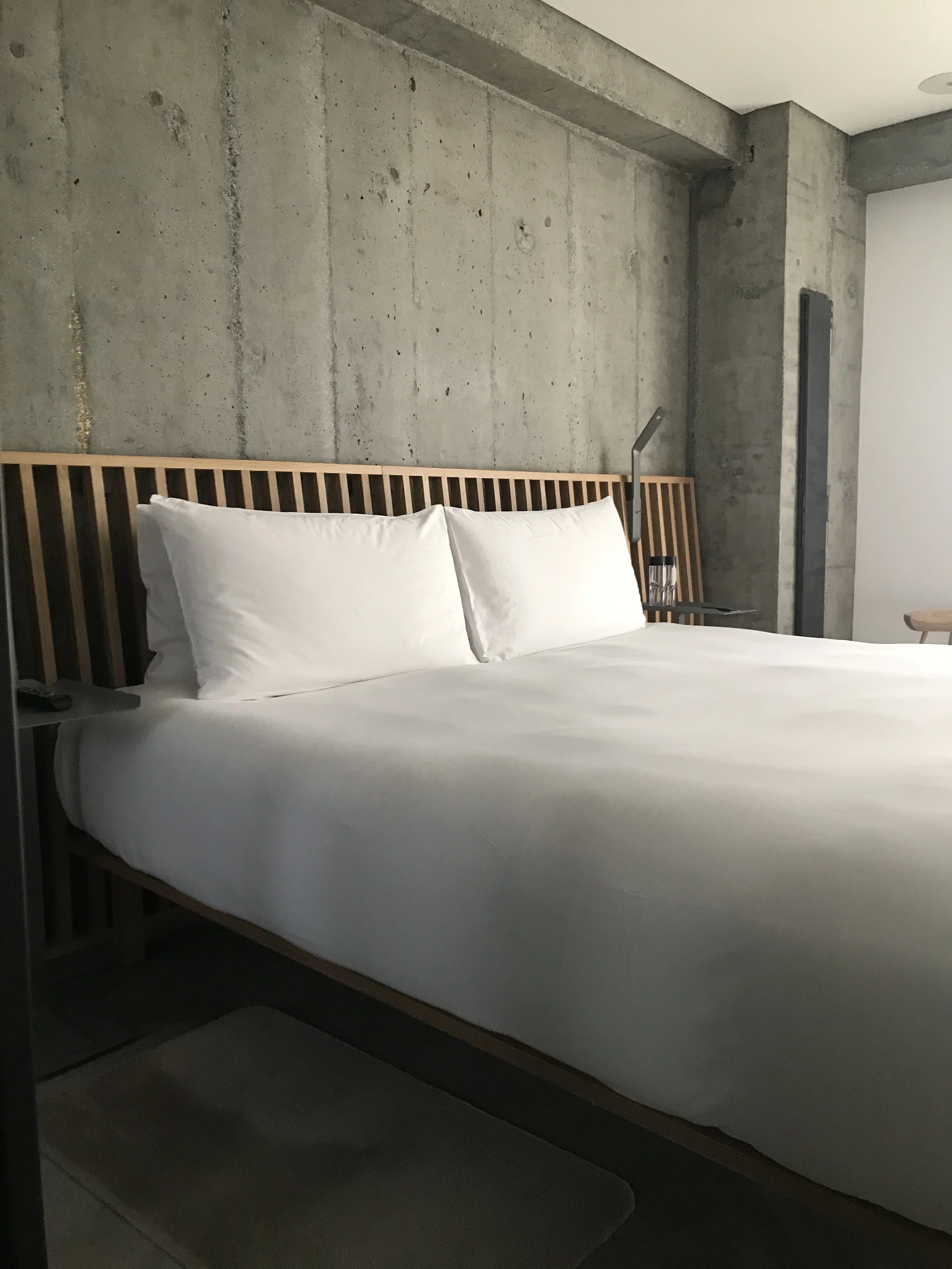
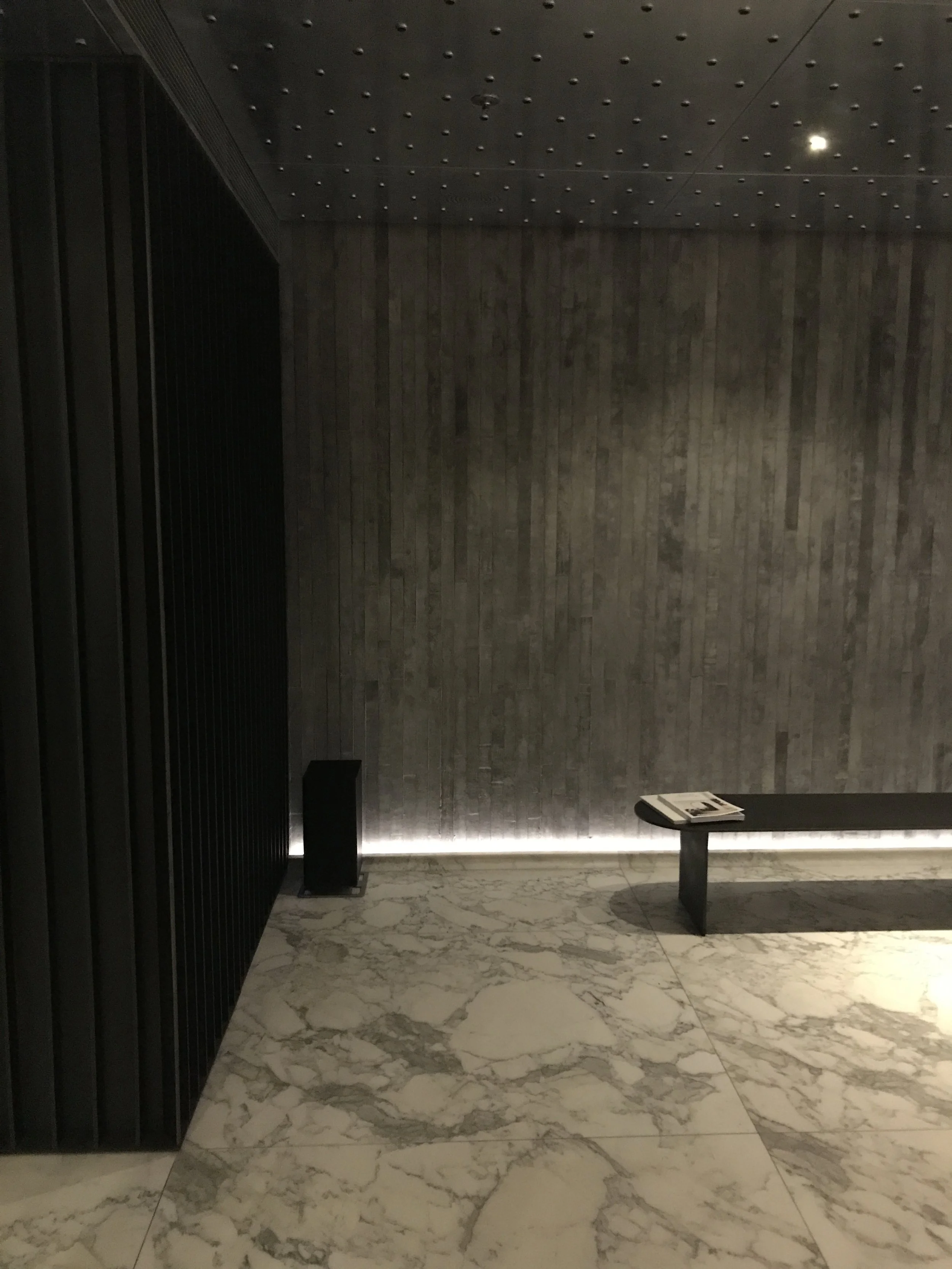
A minimalist hotel in Hong Kong where shadow and silence felt as carefully considered as the furniture. A grand old hotel overlooking Victoria Harbour, where the interiors weren't entirely my taste but the romance of the place swept me up anyway — the kind of hotel where breakfast feels like a ritual and the bed feels like sleeping on a cloud. A palace in Rajasthan where the architecture took my breath away, even if the room itself wasn't particularly memorable. And a bar down a side street in Thailand, assembled from a collection of random objects gifted by travellers over the years. Every wall, shelf and corner contained evidence of someone who had passed through before me. That bar is probably the clearest definition of aliveness I've ever encountered in a space: the accumulated proof of human presence, layered over time, belonging to no single person and shaped by all of them.

Then there are the places I haven't visited yet but dream about nonetheless. The Orient Express. A boat drifting down the Nile. Raffles in Singapore. Hotel du Cap-Eden-Roc on the Riviera. Places that have existed in my imagination long before I've stepped foot inside them — and which feel alive already, because of everything that has happened within them.

Which makes me wonder if we've been focused on the wrong things when we talk about design.

We compare amenities, thread counts, spa facilities, square footage, star ratings. The measurable things. But the places that stay with us are often memorable for reasons that resist measurement: atmosphere, character, history, the feeling that life has happened there and is still happening there.

Luxury can buy comfort. It can't buy aliveness.

Some of the most expensive spaces in the world leave me completely cold. They are impressive, immaculate, flawlessly executed — and yet they feel strangely empty. As though they have been designed to be admired rather than inhabited.

The opposite is true of many of the places I love. The Thai bar wasn't luxurious. The palace wasn't perfect. The old pubs people mourn when they close rarely have marble bathrooms or state-of-the-art lighting. Yet people return to them, talk about them, miss them when they're gone.

Because what they're mourning isn't a building. It's the loss of a living thing. A place woven into the fabric of people's lives.

The industry often rewards perfection. The perfect reveal, the perfect photograph, the perfectly styled shelf, the perfectly plumped cushion. Yet some of the most beloved spaces in the world are slightly worn, slightly eccentric and constantly evolving. They're not frozen in time. They're accumulating it.

A dining table marked by years of meals. A favourite chair everyone gravitates towards. A hotel lobby that has welcomed generations of guests. A bar filled with objects left behind by strangers. A house that grows richer as life unfolds within it.

These are not flaws. They are evidence. Evidence that a space has been lived in rather than merely looked at.

Perhaps that's what I'm trying to create when I design. Not perfection. Not luxury for its own sake. Not rooms that look beautiful only on the day they're photographed. I'm interested in creating the conditions for aliveness — places where stories can accumulate, places that feel rooted rather than generic, places that become more meaningful over time, not less.

Places people remember.

Because the spaces I love most aren't the most perfect.

They're the ones that feel most alive.


That'll do

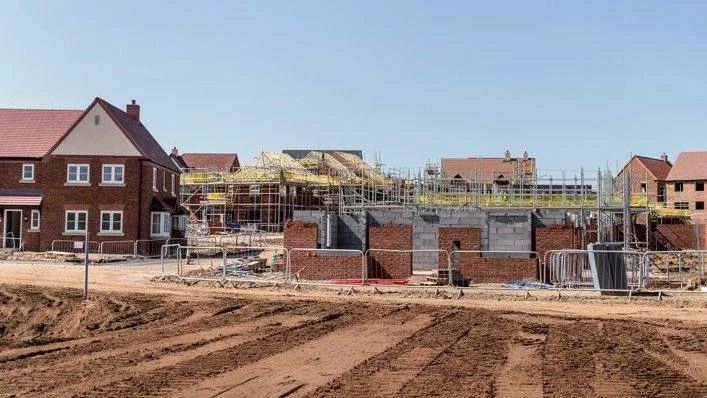
I spend a lot of time looking out of train windows and driving through the country. Occupational hazard, perhaps. And increasingly I find myself staring at new developments wondering the same thing.

How the fuck have we accepted this?

It's not every building, not every development. But enough of them. The awkward proportions. The tiny windows. The fake materials pretending to be expensive materials. The houses that look as though they were designed by a spreadsheet rather than a human being. The complete lack of relationship to the landscape around them.

I look at some of these places and feel absolutely nothing. Which is strange, because buildings should make us feel something. Even if that feeling is disagreement.

The opposite of good design isn't ugly. It's forgettable.

What's strange is that people notice this everywhere else. We complain about bad food, bad service, another terrible Netflix remake. But somehow we've become remarkably accepting of bad design. Entire housing estates appear with all the charm of a distribution centre and we're expected to be grateful because the kitchen comes with a boiling water tap. Somewhere along the way, we lowered the bar. Then lowered it again. Then again. And now we're limboing underneath a bar we never fucking agreed to in the first place.

It wasn't always like this.

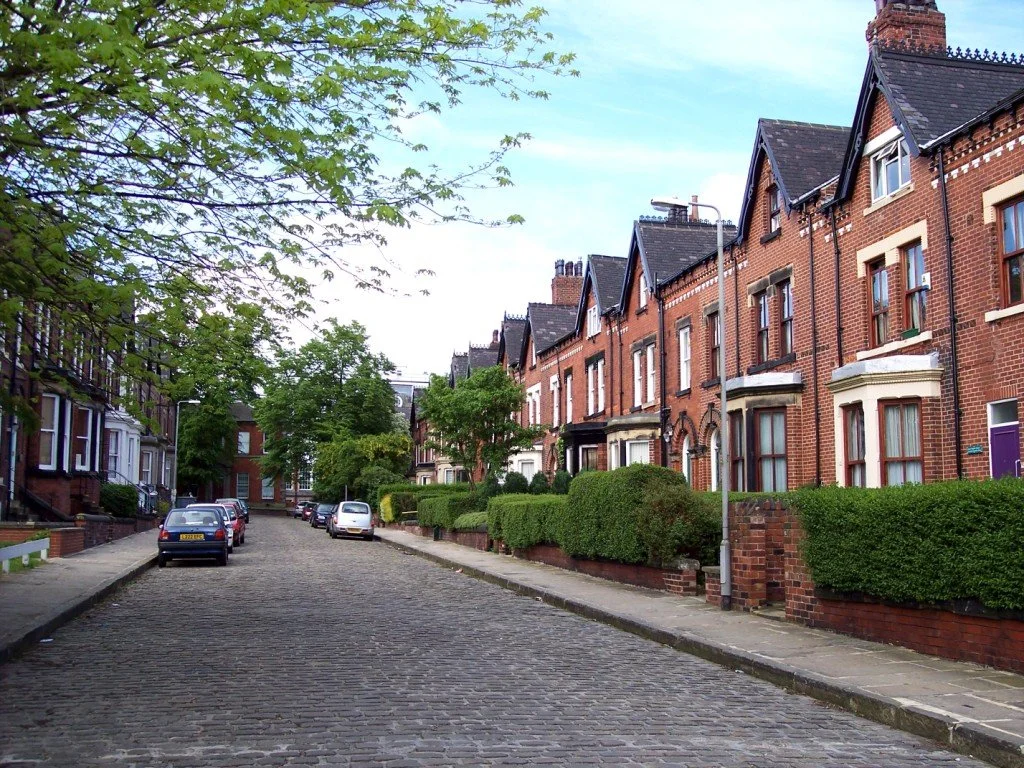
A friend of mine lives near a street built after the war. The government asked different builders to create their own version of a terrace — same street, same purpose, different approaches. Families who had lost everything could choose which style of house they wanted. Think about that for a moment. A country rebuilding itself from rubble still managed to offer people more individuality than most new-build developments do today. Different proportions, unique details, different personalities. Each builder brought something of themselves to the work. The goal wasn't simply to put a roof over someone's head — it was to create somewhere worth living. Somewhere with dignity. Somewhere with character.

We've somehow convinced ourselves that progress means standardisation. That efficiency is always preferable to individuality. That if something is quick, scalable and profitable it must also be good.

But efficiency is a terrible creative director.

Today, too much of what we build feels interchangeable, as though it could be dropped anywhere in the country and nobody would notice. The difference between bad old buildings and bad new ones? At least they were terrible in their own unique way.

The bigger problem is that we've started confusing expensive with good. They're not the same thing. Some of the most soulless places I've ever seen have had seven-figure budgets. You only have to drive around parts of Cheshire to see that money doesn't automatically buy taste — and it certainly doesn't buy a point of view. A large budget can build a very large mistake.

Perhaps that's why people are desperately trying to put character back into their homes. All the panelling, the mouldings, the obsession with period properties. I don't think people are obsessed with panelling. I think they're obsessed with character — and panelling happens to be one of the quickest ways to fake it. People are hungry for homes that feel as though they have a story. A sense of identity. A feeling that somebody cared.

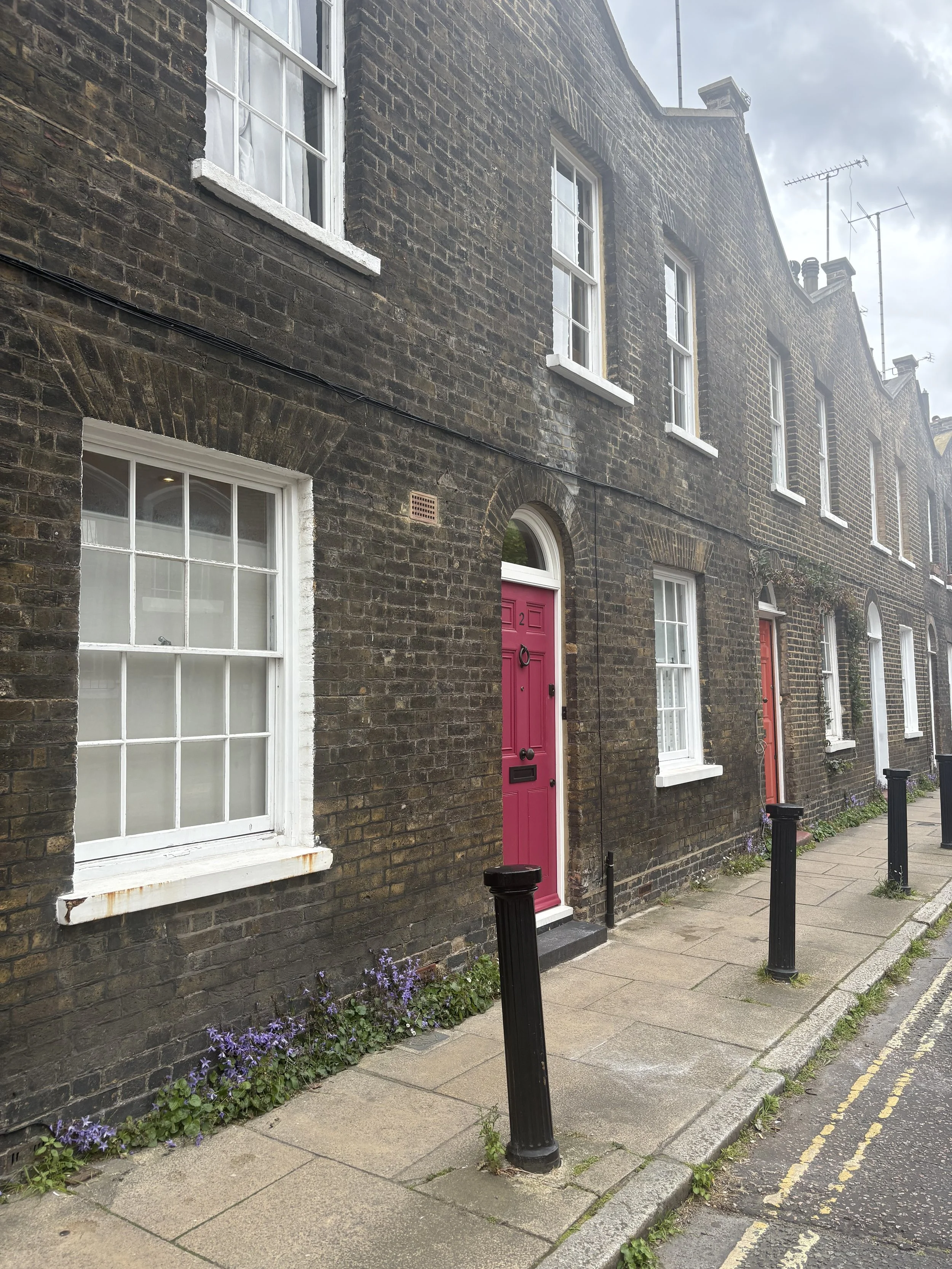
We're told people want minimalism. I'm not convinced. I think people want meaning. That's why Victorian terraces keep selling. That's why old cottages keep selling. That's why people fall in love with buildings that are awkward, imperfect and occasionally impractical. Not because they're old — because they have something interesting to say.

Good design isn't about luxury. It's about dignity. About creating places that make people feel considered. Places that support life rather than simply contain it. That lift people up instead of quietly draining them.

We underestimate how much our surroundings affect us. You can see it when people walk through beautiful cities — they slow down, look up, linger. Beautiful places remind us that life can be more than functional. That care matters. That details matter. Humans need more than efficiency. Because architecture isn't just architecture — it's culture made physical. A reflection of what we as a society value.

And right now, too much of what we're building says the same thing.

That'll do.

Maybe that's what bothers me most. Not the bad design itself — the quiet acceptance of it. The shrug. The belief that this is simply how things are. Things are only "just how they are" until somebody decides they aren't. We've built better before. We can build better again.

The question isn't whether we're capable. The question is why we've convinced ourselves we should settle for less.