
I spend a lot of time looking out of train windows and driving through the country. Occupational hazard, perhaps. And increasingly I find myself staring at new developments wondering the same thing.
How the fuck have we accepted this?
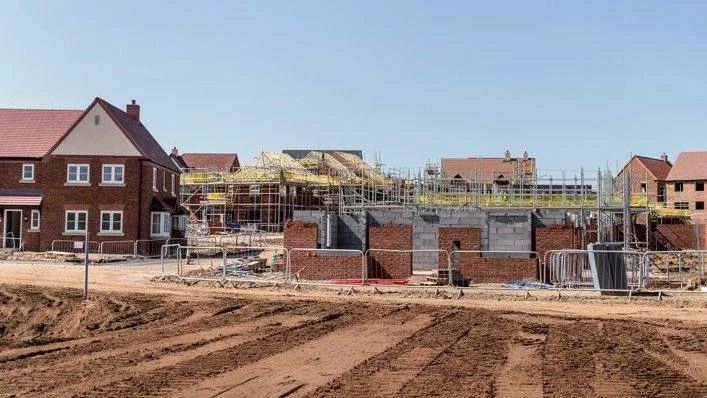
It's not every building, not every development. But enough of them. The awkward proportions. The tiny windows. The fake materials pretending to be expensive materials. The houses that look as though they were designed by a spreadsheet rather than a human being. The complete lack of relationship to the landscape around them.
I look at some of these places and feel absolutely nothing. Which is strange, because buildings should make us feel something. Even if that feeling is disagreement.
The opposite of good design isn't ugly. It's forgettable.
What's strange is that people notice this everywhere else. We complain about bad food, bad service, another terrible Netflix remake. But somehow we've become remarkably accepting of bad design. Entire housing estates appear with all the charm of a distribution centre and we're expected to be grateful because the kitchen comes with a boiling water tap. Somewhere along the way, we lowered the bar. Then lowered it again. Then again. And now we're limboing underneath a bar we never fucking agreed to in the first place.
It wasn't always like this.
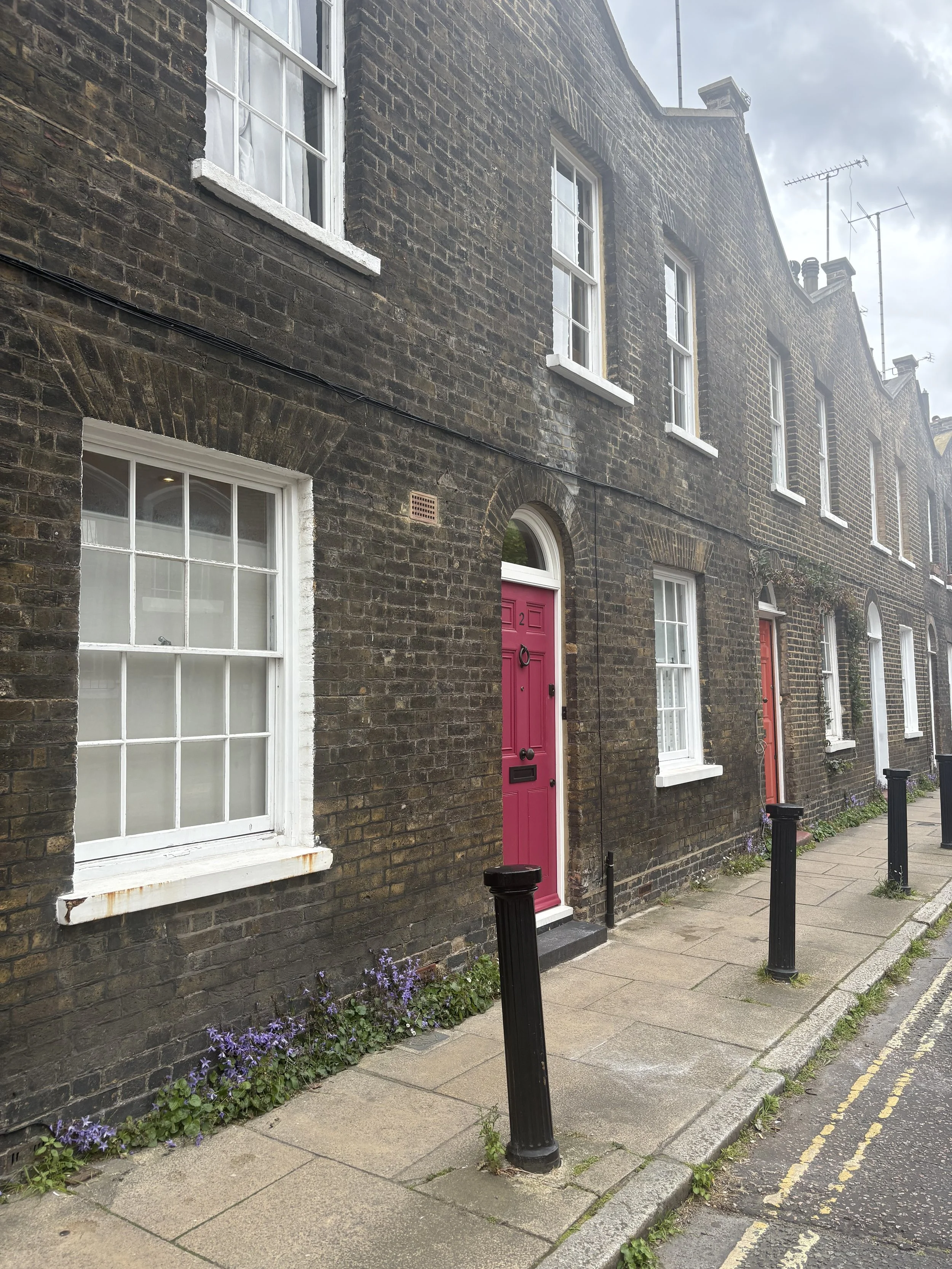
A friend of mine lives near a street built after the war. The government asked different builders to create their own version of a terrace — same street, same purpose, different approaches. Families who had lost everything could choose which style of house they wanted. Think about that for a moment. A country rebuilding itself from rubble still managed to offer people more individuality than most new-build developments do today. Different proportions, unique details, different personalities. Each builder brought something of themselves to the work. The goal wasn't simply to put a roof over someone's head — it was to create somewhere worth living. Somewhere with dignity. Somewhere with character.
We've somehow convinced ourselves that progress means standardisation. That efficiency is always preferable to individuality. That if something is quick, scalable and profitable it must also be good.
But efficiency is a terrible creative director.
Today, too much of what we build feels interchangeable, as though it could be dropped anywhere in the country and nobody would notice. The difference between bad old buildings and bad new ones? At least they were terrible in their own unique way.
The bigger problem is that we've started confusing expensive with good. They're not the same thing. Some of the most soulless places I've ever seen have had seven-figure budgets. You only have to drive around parts of Cheshire to see that money doesn't automatically buy taste — and it certainly doesn't buy a point of view. A large budget can build a very large mistake.
Perhaps that's why people are desperately trying to put character back into their homes. All the panelling, the mouldings, the obsession with period properties. I don't think people are obsessed with panelling. I think they're obsessed with character — and panelling happens to be one of the quickest ways to fake it. People are hungry for homes that feel as though they have a story. A sense of identity. A feeling that somebody cared.
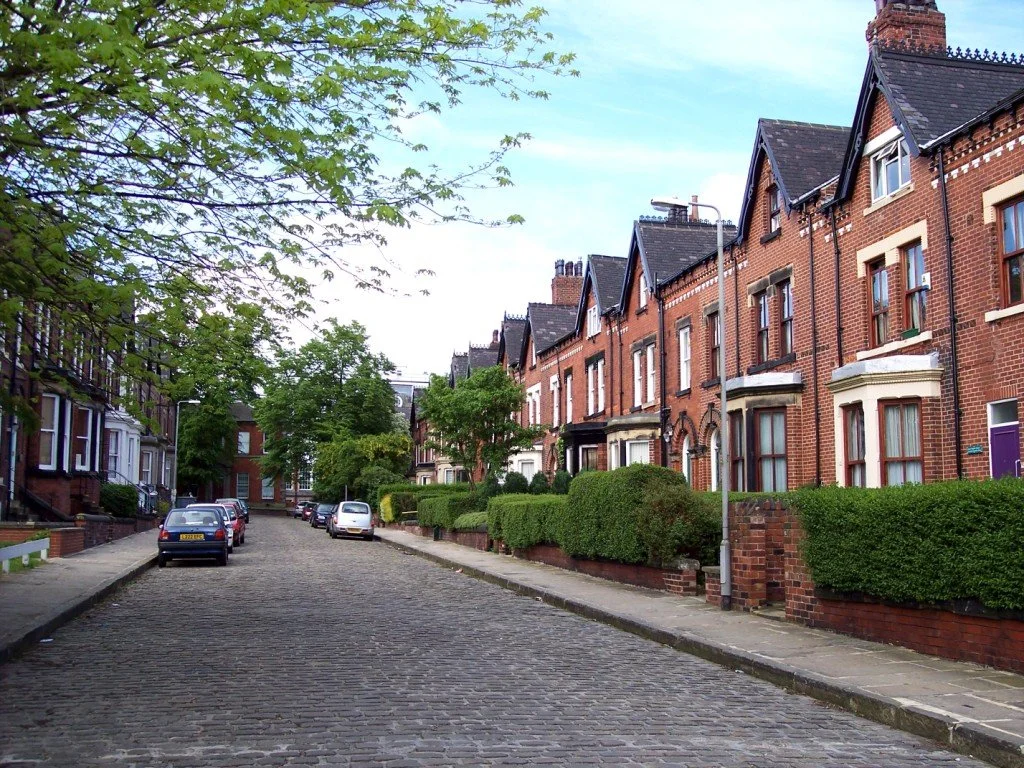
We're told people want minimalism. I'm not convinced. I think people want meaning. That's why Victorian terraces keep selling. That's why old cottages keep selling. That's why people fall in love with buildings that are awkward, imperfect and occasionally impractical. Not because they're old — because they have something interesting to say.
Good design isn't about luxury. It's about dignity. About creating places that make people feel considered. Places that support life rather than simply contain it. That lift people up instead of quietly draining them.
We underestimate how much our surroundings affect us. You can see it when people walk through beautiful cities — they slow down, look up, linger. Beautiful places remind us that life can be more than functional. That care matters. That details matter. Humans need more than efficiency. Because architecture isn't just architecture — it's culture made physical. A reflection of what we as a society value.
And right now, too much of what we're building says the same thing.
That'll do.
Maybe that's what bothers me most. Not the bad design itself — the quiet acceptance of it. The shrug. The belief that this is simply how things are. Things are only "just how they are" until somebody decides they aren't. We've built better before. We can build better again.
The question isn't whether we're capable. The question is why we've convinced ourselves we should settle for less.