
I've stayed in hotels where the bed wasn't particularly comfortable.
I've stayed in hotels where the interiors weren't exactly my taste.
I've stayed in hotels where the WiFi was questionable, the bathrooms dated and the service occasionally chaotic.
Yet years later, I still think about them.
Not because they were perfect.
Because they felt alive.
For a long time, I thought I was interested in beautiful spaces. Then I thought I was interested in luxury. Then I thought I was interested in good design.
Now I'm not so sure.
Because when I think about the places that have stayed with me, they have remarkably little in common. Different countries, different aesthetics, different histories, different levels of luxury. Yet they all share the same quality.
They feel alive.
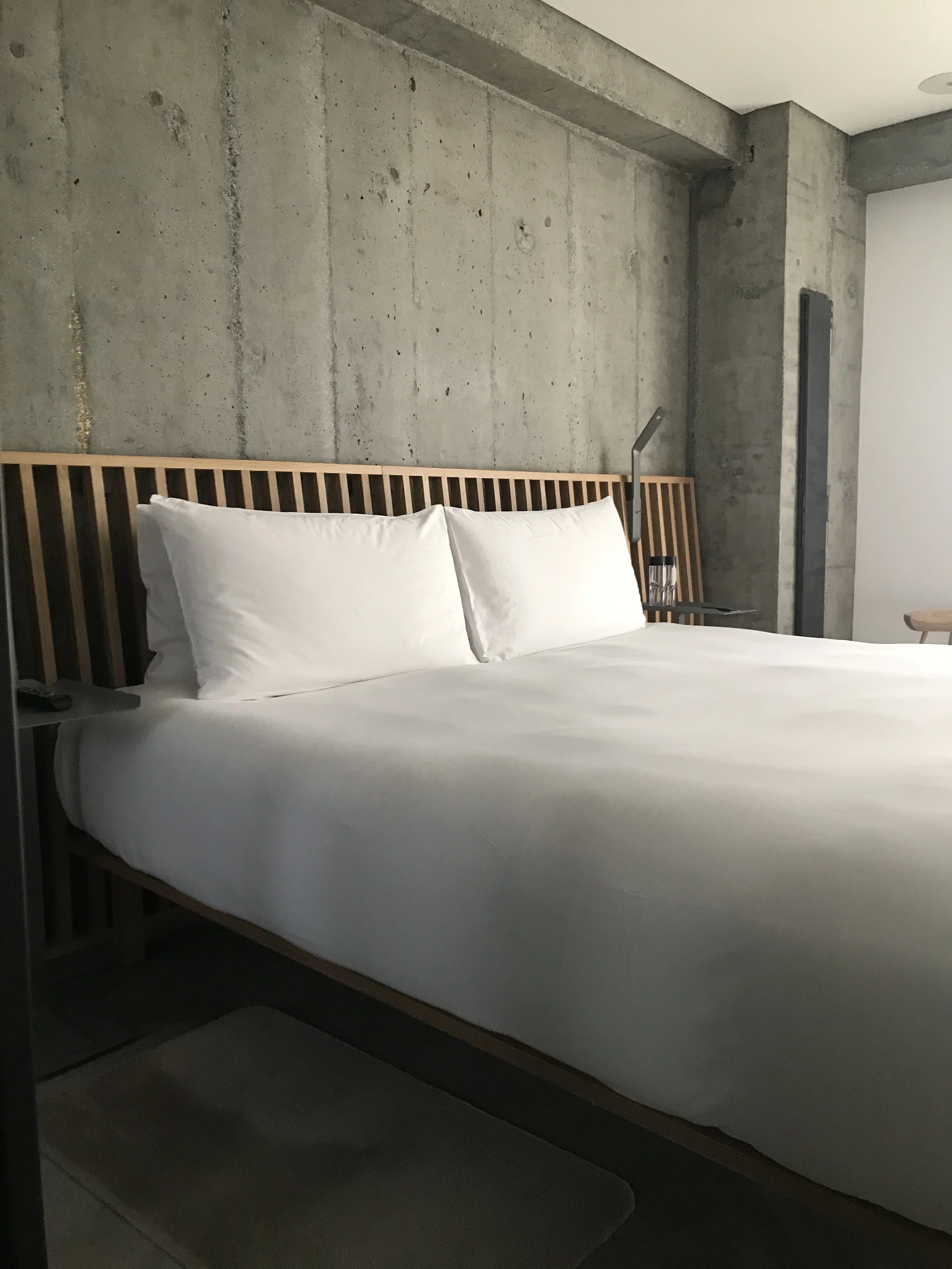
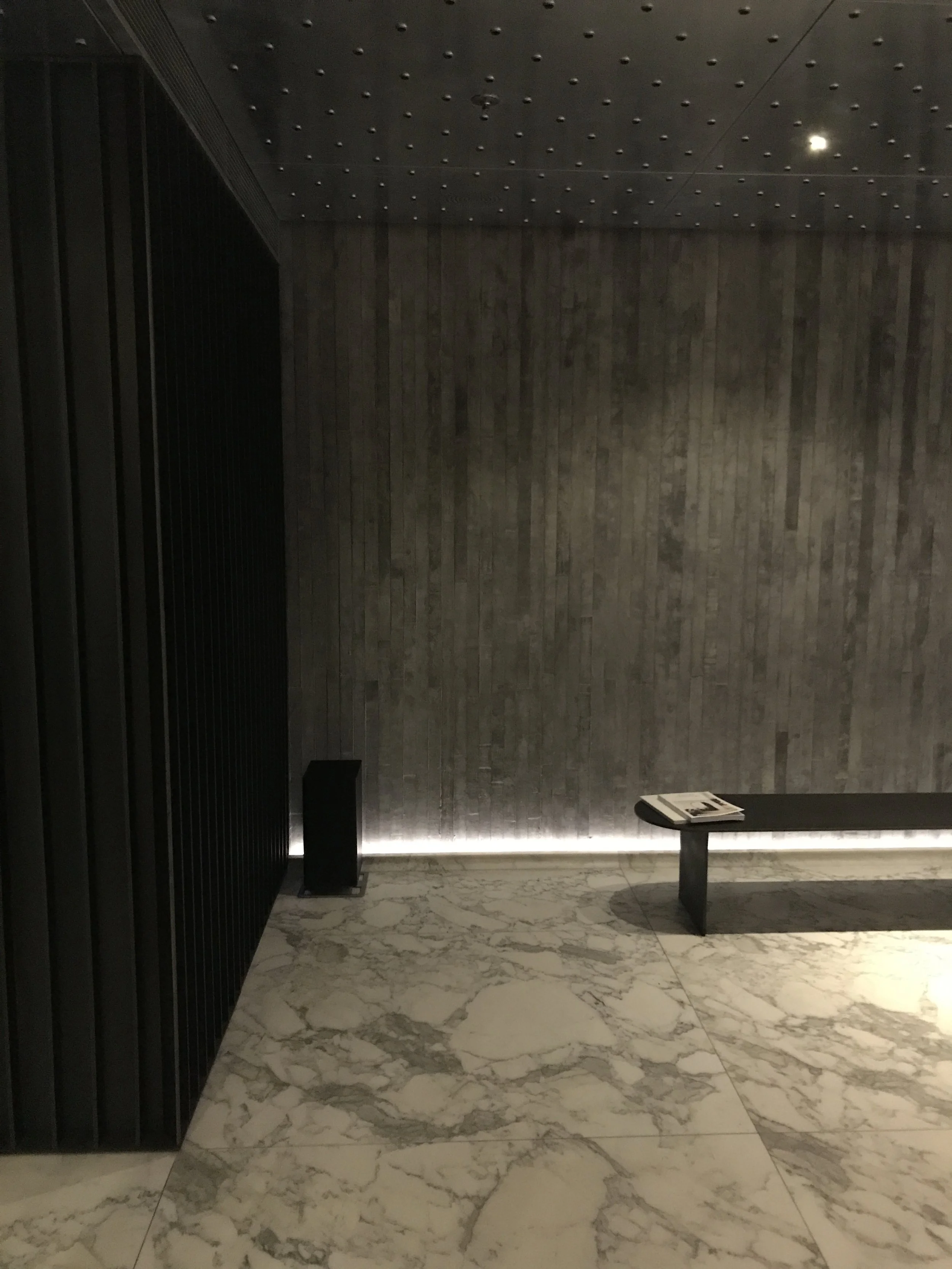
A minimalist hotel in Hong Kong where shadow and silence felt as carefully considered as the furniture. A grand old hotel overlooking Victoria Harbour, where the interiors weren't entirely my taste but the romance of the place swept me up anyway — the kind of hotel where breakfast feels like a ritual and the bed feels like sleeping on a cloud. A palace in Rajasthan where the architecture took my breath away, even if the room itself wasn't particularly memorable. And a bar down a side street in Thailand, assembled from a collection of random objects gifted by travellers over the years. Every wall, shelf and corner contained evidence of someone who had passed through before me. That bar is probably the clearest definition of aliveness I've ever encountered in a space: the accumulated proof of human presence, layered over time, belonging to no single person and shaped by all of them.
Then there are the places I haven't visited yet but dream about nonetheless. The Orient Express. A boat drifting down the Nile. Raffles in Singapore. Hotel du Cap-Eden-Roc on the Riviera. Places that have existed in my imagination long before I've stepped foot inside them — and which feel alive already, because of everything that has happened within them.
Which makes me wonder if we've been focused on the wrong things when we talk about design.
We compare amenities, thread counts, spa facilities, square footage, star ratings. The measurable things. But the places that stay with us are often memorable for reasons that resist measurement: atmosphere, character, history, the feeling that life has happened there and is still happening there.
Luxury can buy comfort. It can't buy aliveness.
Some of the most expensive spaces in the world leave me completely cold. They are impressive, immaculate, flawlessly executed — and yet they feel strangely empty. As though they have been designed to be admired rather than inhabited.
The opposite is true of many of the places I love. The Thai bar wasn't luxurious. The palace wasn't perfect. The old pubs people mourn when they close rarely have marble bathrooms or state-of-the-art lighting. Yet people return to them, talk about them, miss them when they're gone.
Because what they're mourning isn't a building. It's the loss of a living thing. A place woven into the fabric of people's lives.
The industry often rewards perfection. The perfect reveal, the perfect photograph, the perfectly styled shelf, the perfectly plumped cushion. Yet some of the most beloved spaces in the world are slightly worn, slightly eccentric and constantly evolving. They're not frozen in time. They're accumulating it.
A dining table marked by years of meals. A favourite chair everyone gravitates towards. A hotel lobby that has welcomed generations of guests. A bar filled with objects left behind by strangers. A house that grows richer as life unfolds within it.
These are not flaws. They are evidence. Evidence that a space has been lived in rather than merely looked at.
Perhaps that's what I'm trying to create when I design. Not perfection. Not luxury for its own sake. Not rooms that look beautiful only on the day they're photographed. I'm interested in creating the conditions for aliveness — places where stories can accumulate, places that feel rooted rather than generic, places that become more meaningful over time, not less.
Places people remember.
Because the spaces I love most aren't the most perfect.
They're the ones that feel most alive.