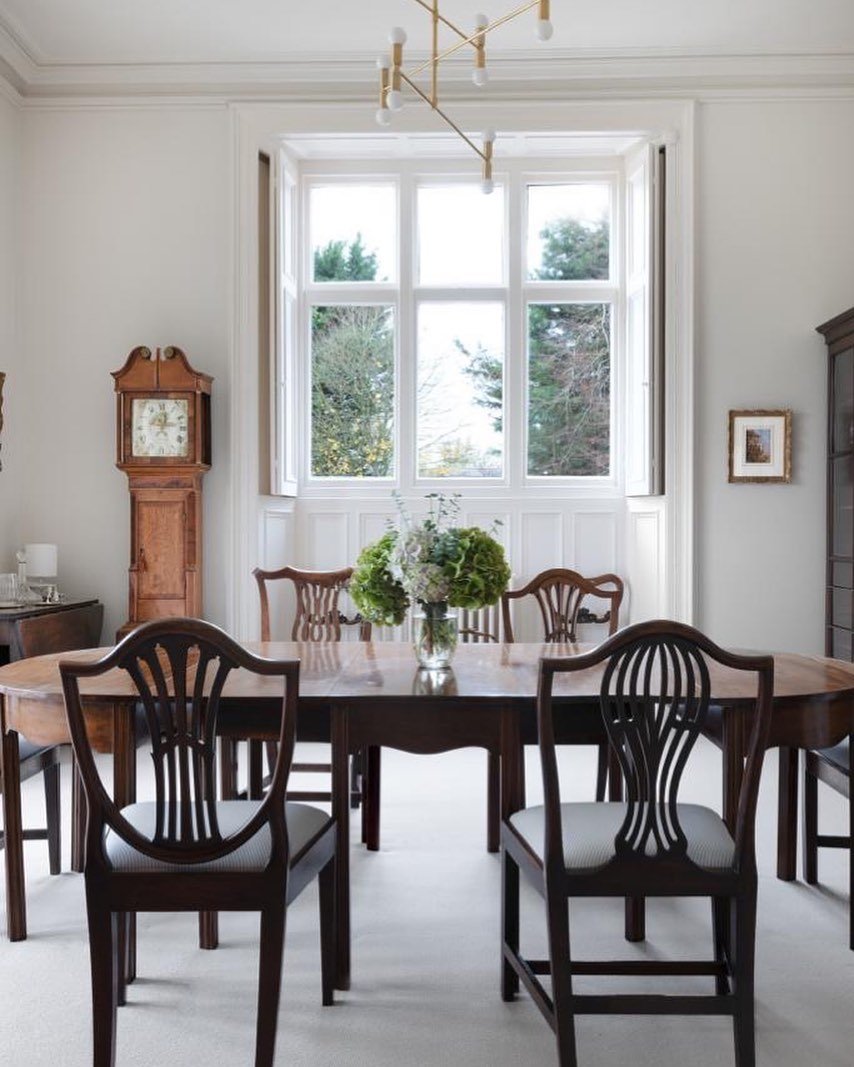
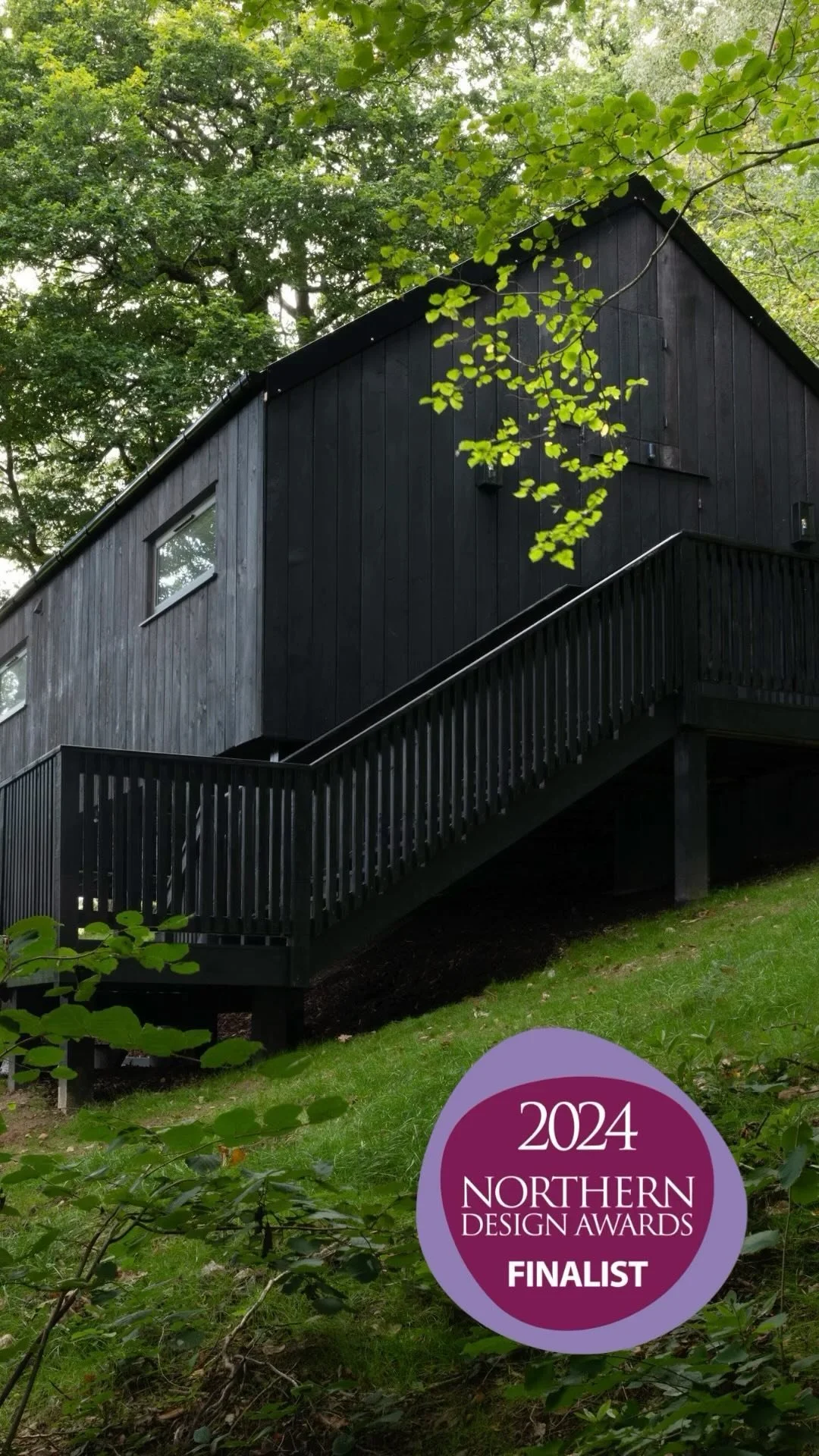
Sometimes a space asks you to slow down before you even know why. These are the moments when quiet becomes a kind of language.
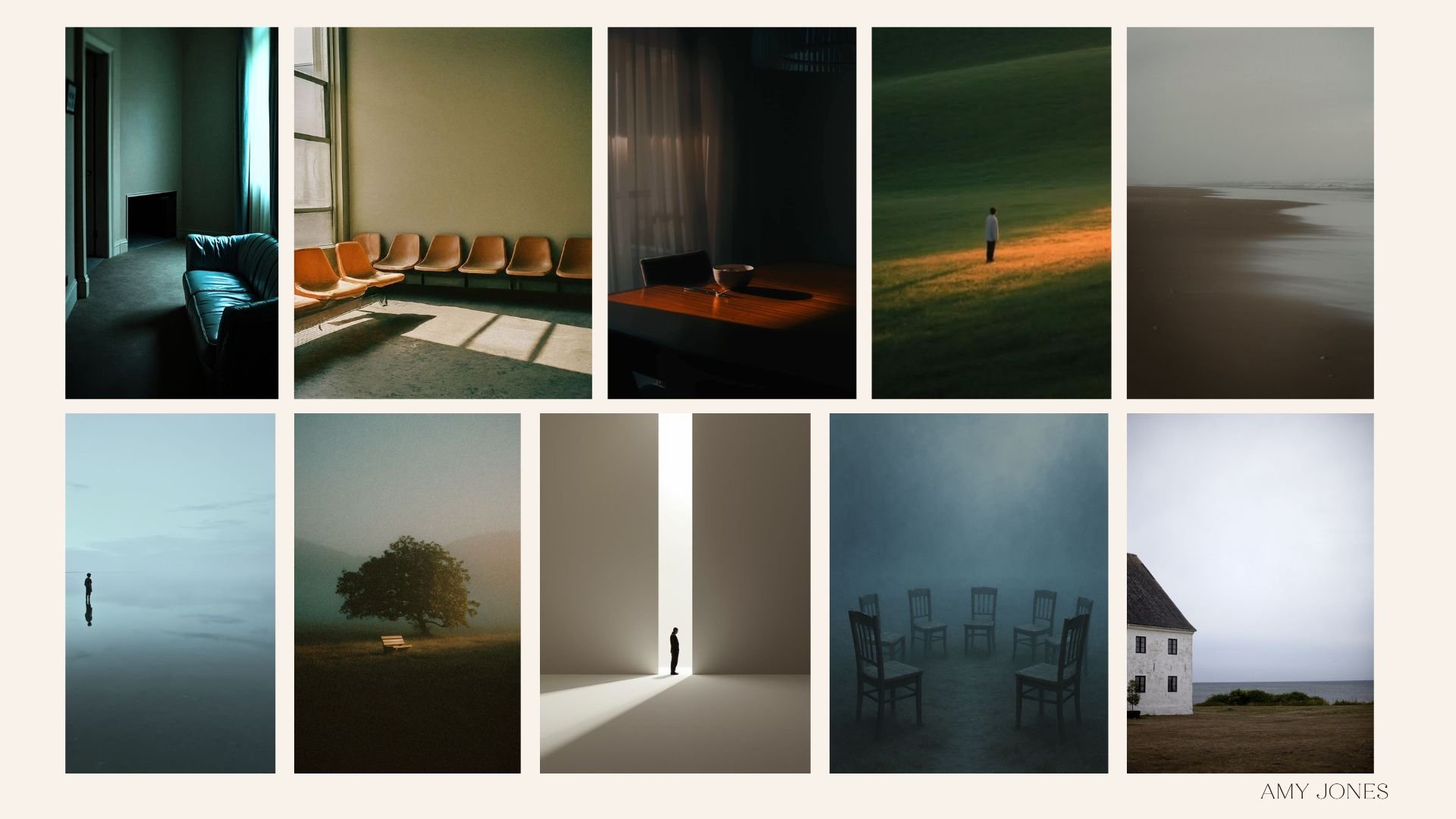
You step inside and, before you even realise it, you start to slow down. Your breath evens out, Your pace starts to soften and the noise of the day lets go of its hold.
A waiting room steeped in morning light, a long stretch of corridor where the air feels still, a shoreline where the sea draws its own horizon and leaves you standing at its edge.
Nothing here calls for your attention. There’s no story pulling you away, no sound, no demand on you. And yet these are the spaces that ask everything of your awareness.
You start to notice small things, the rhythm and weight of your footsteps, the way light shifts and dances across a wall and the quiet sound of fabric moving as you turn.
In moments like these, the world doesn’t feel far away.
It feels suddenly closer — as if silence itself has come to meet you.
Most of the environments we live in are built to keep us busy and distracted
Screens hum, music fills the gap and conversations overlap until quiet becomes something we almost forget how to hear.
But the moments that stay with us aren’t the loud ones.
They’re the pauses, the times the world seems to hold its breath.
Standing in a field at dawn, walking through a building before the day begins, watching a beam of light move, inch by inch, along the floor.
These places aren’t empty, they’re waiting.
They hold the outline of life before it fully arrives.
A row of chairs in an unlit room, a strip of light between two walls, a lone tree in a wide, fog-covered field.
Even without us, these scenes feel inhabited, by anticipation, by memory, by possibility and expectation.
Architecture and landscape both know this instinctively.
They guide our attention not through noise, but through stillness.
A long hallway draws us forward, a vast horizon reminds us of our scale and how small and insignificant we really are. A narrow beam of light divides shadow from space, a quiet threshold between thinking and feeling.
Maybe that’s the quiet power of such places, they leave room for us.
Not for our tasks or devices, but for the simple act of being here.
When the world grows still enough, something shifts inside us.
Thoughts rise to the surface, feelings and emotions we’ve been carrying find their shape and the things we hadn’t noticed before begin to unfold.
This is why I’m drawn, again and again, to spaces where almost nothing happens.
A field at dusk, a single house by the sea, fog over water and a room lit only by morning. Because silence isn’t the absence of life. It’s what gives life space to breathe.
It’s the moment when everything else steps aside and we finally meet ourselves.
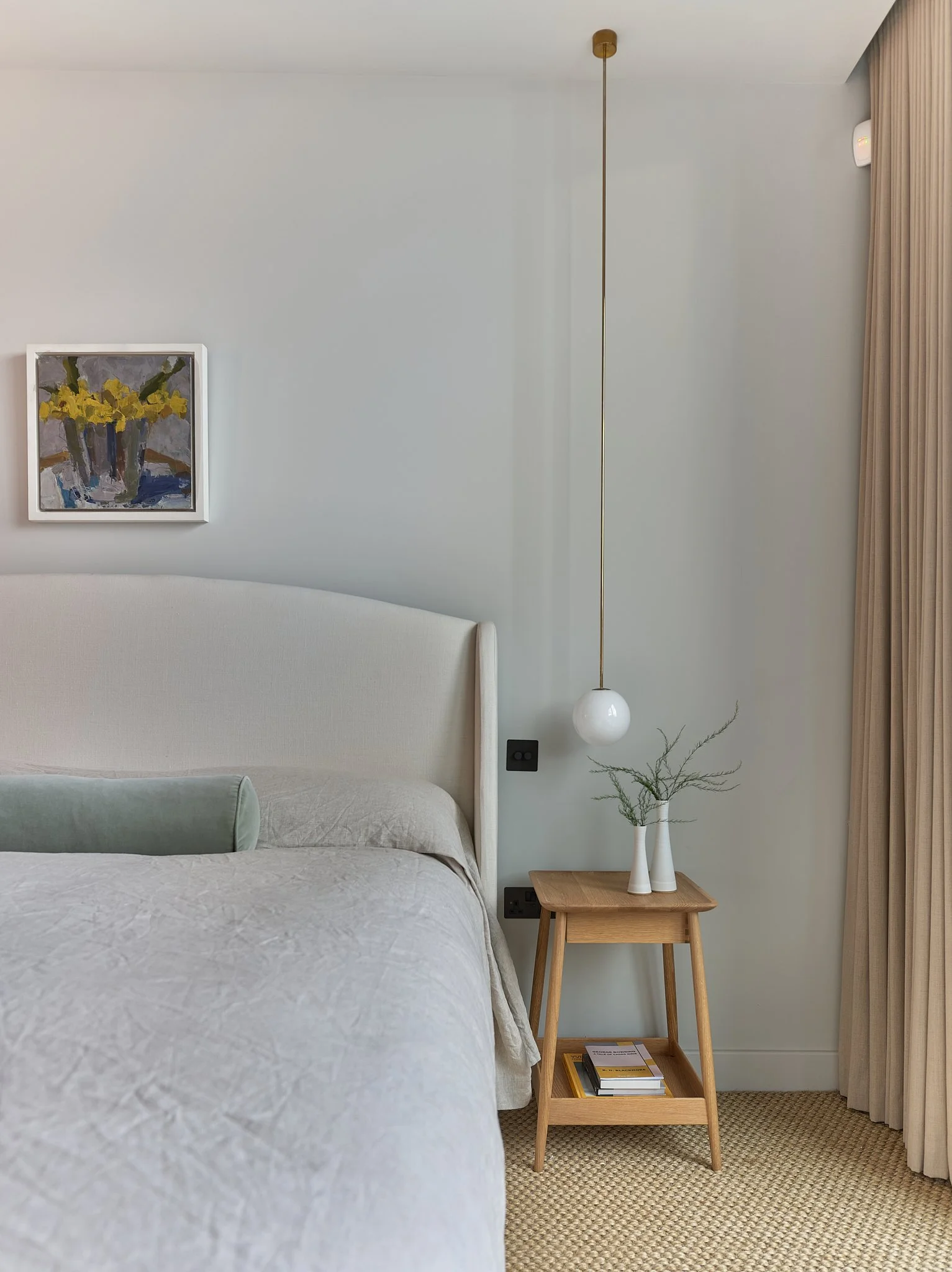
Luxury interior design
Silence in Interiors
In my interior work, I think about space the same way I think about silence.
It isn’t an absence, it’s a kind of structure.
Every room has its own language, some speak loudly through colour, pattern, or scale.
But others whisper, through restraint, proportion, and the way light lands on a wall.
That quiet is what interests me most.
I use negative space almost like punctuation. An empty corner, the pause between two materials, a shadow that stretches longer than the object itself, these create rhythm. They give the eye a place to rest and the mind a moment to breathe.
Design isn’t just about what’s in a room; it’s about what’s left unsaid.
The spaces between things allow presence to surface, much like silence does between thoughts.
When I work on interiors, I try to hold back just enough. To leave space where someone can feel themselves inside the design, not buried under it.
Maybe that’s the same lesson these quiet places keep teaching me:
what we withhold is just as powerful as what we add.